
Not your mom’s wedding planner
For today’s engaged couples, hiring a wedding planner feels almost like a natural step in the journey toward marriage. But if you ask your parents—or especially your grandparents—about their experiences, you might hear something quite different. A generation or two ago, the idea of hiring a wedding planner was rare, even considered extravagant. Today, it’s increasingly common and, for many couples, essential.
So why the shift? The answer lies in the evolution of weddings over the last five decades, the rising expectations placed on couples, and the growing recognition of wedding planning as a professional expertise.
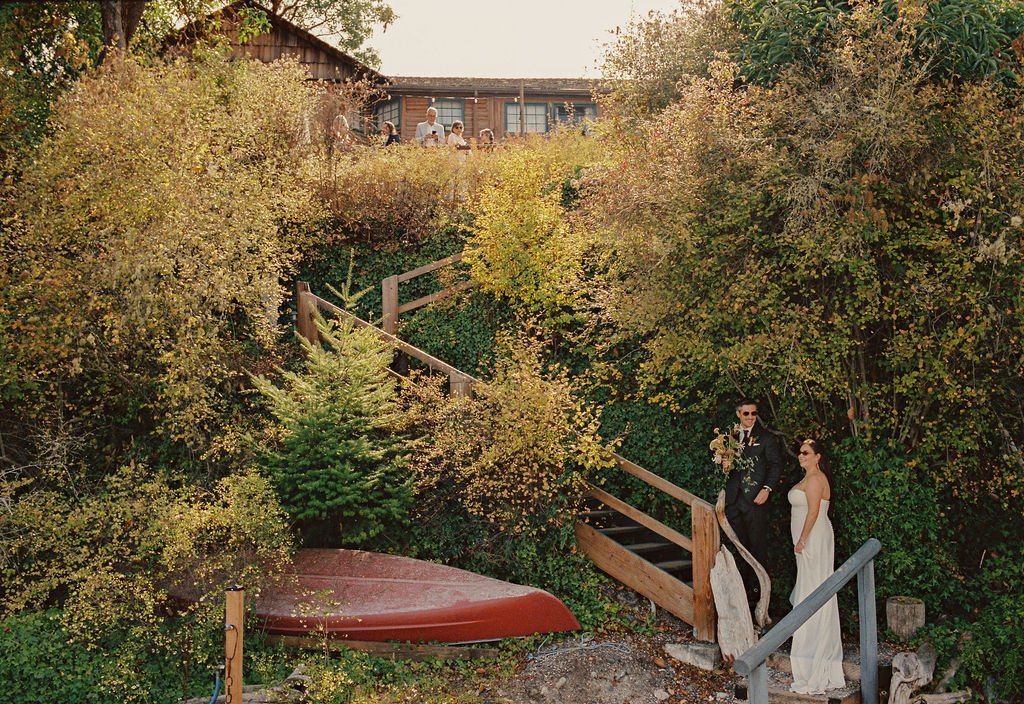
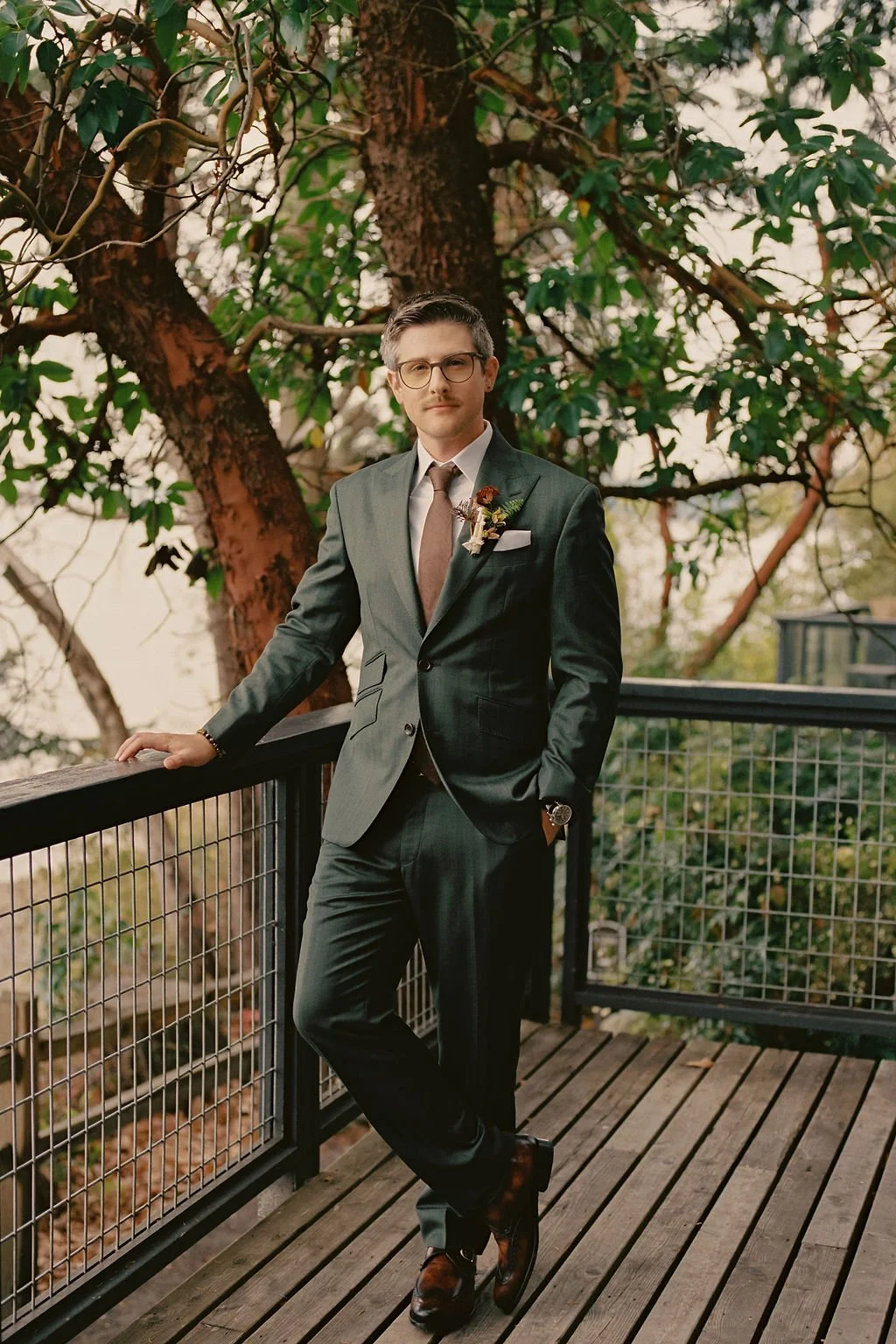
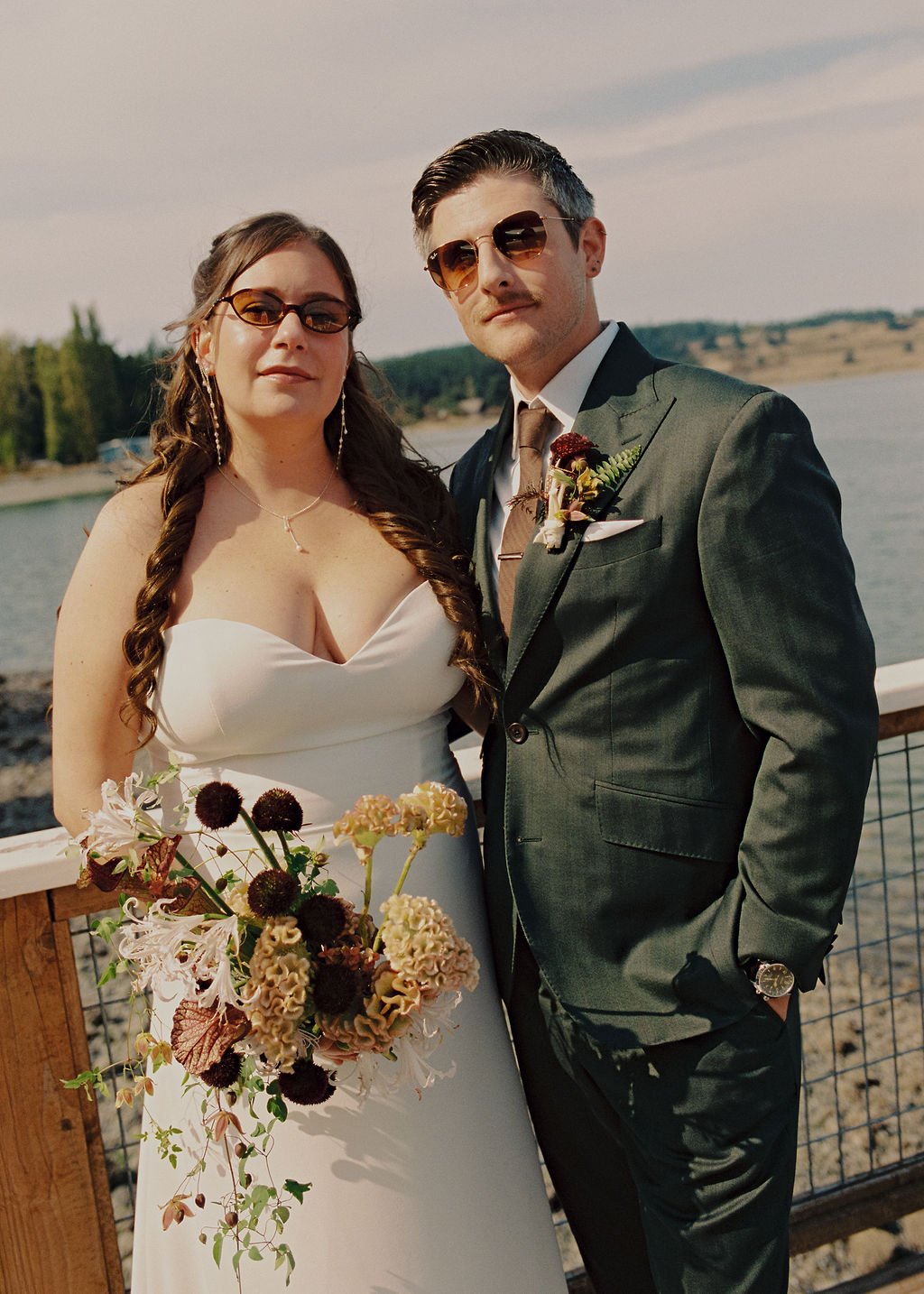
Weddings Then and Now: A Generational Comparison
The 1970s and 1980s: Simplicity and Family Support
In the 1970s and 1980s, weddings were often simpler affairs. Ceremonies took place at local churches or community halls, receptions were held in banquet spaces, and most planning was done by family. Parents, especially mothers of the bride, traditionally oversaw the details, while vendors were fewer and more standardized: a florist, a caterer, a DJ or band, and a photographer. The cultural expectation was that a wedding was important, but not an elaborate production.
A wedding planner, if hired at all, was usually reserved for wealthy families or celebrity couples. The idea of paying someone to coordinate was considered unnecessary when family members could handle the logistics.
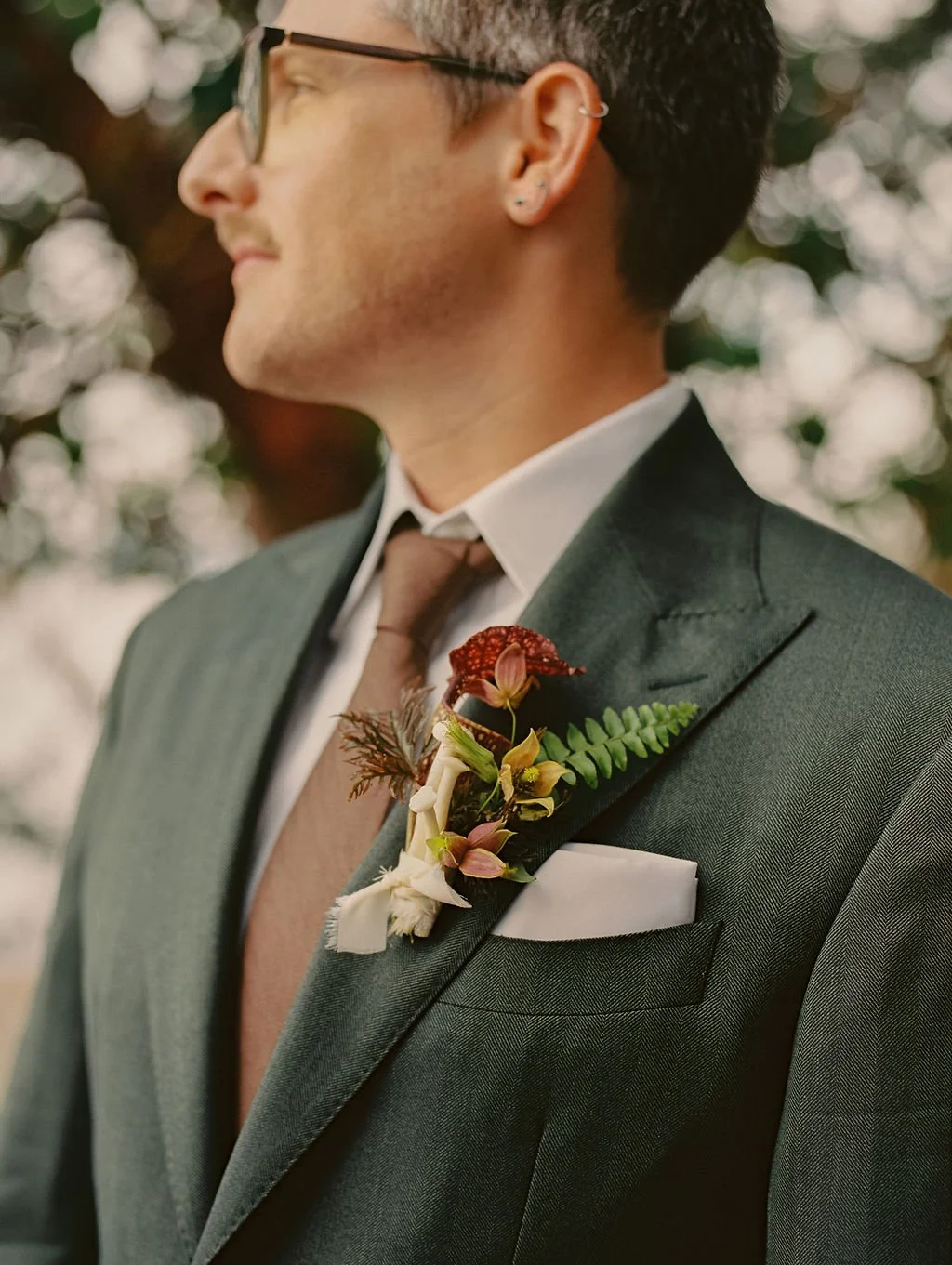

The 1990s and 2000s: Expanding Options and Rising Expectations
By the 1990s and early 2000s, weddings began to grow in complexity. Couples had access to more venues, more entertainment options, and more décor inspiration thanks to wedding magazines and the early rise of the internet. Pinterest and wedding blogs in the 2000s exploded the possibilities for design and personalization. Weddings were no longer cookie-cutter events; they became reflections of the couple’s unique story.
This rise in creativity also brought pressure. Couples wanted personalized touches, but executing those details required time, organization, and vendor management—skills that went beyond what most families could take on. As weddings grew larger and more detailed, so did the appeal of professional help.

Today: High Stakes and High Standards
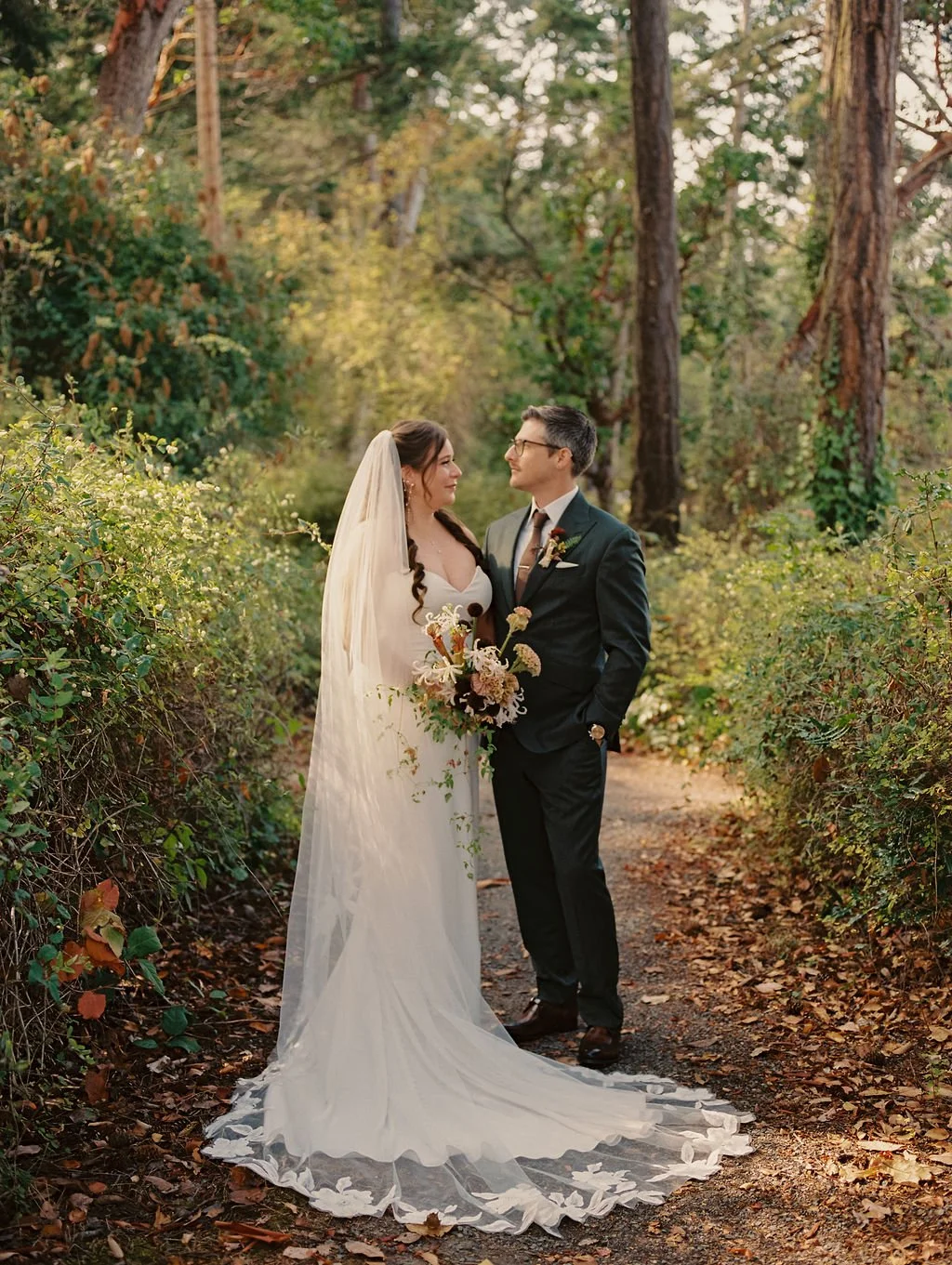
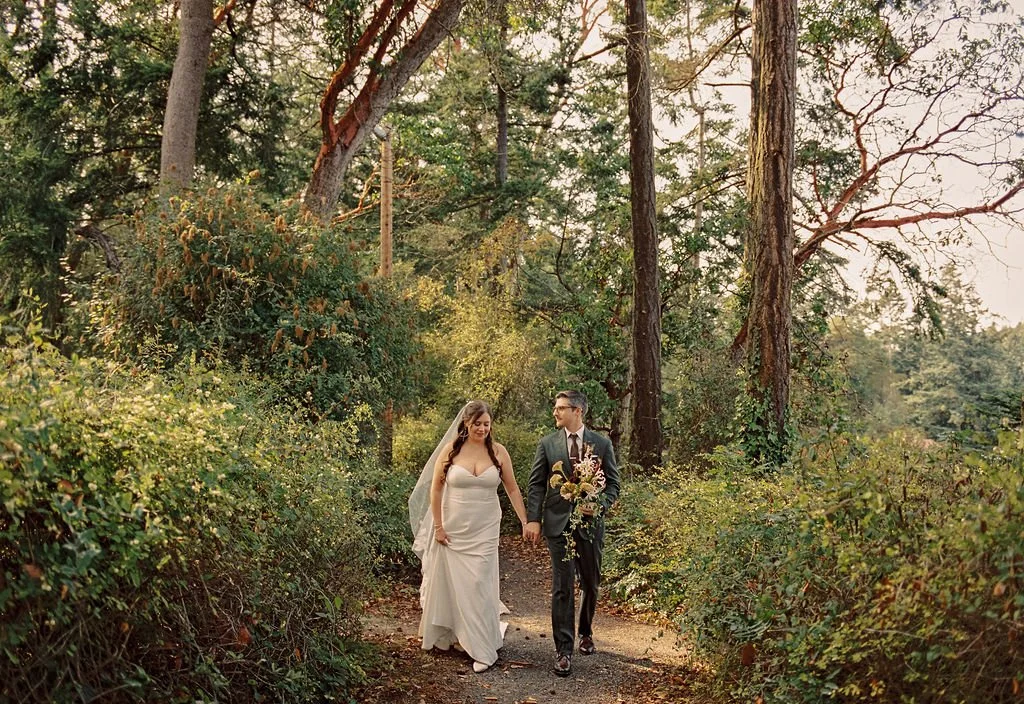
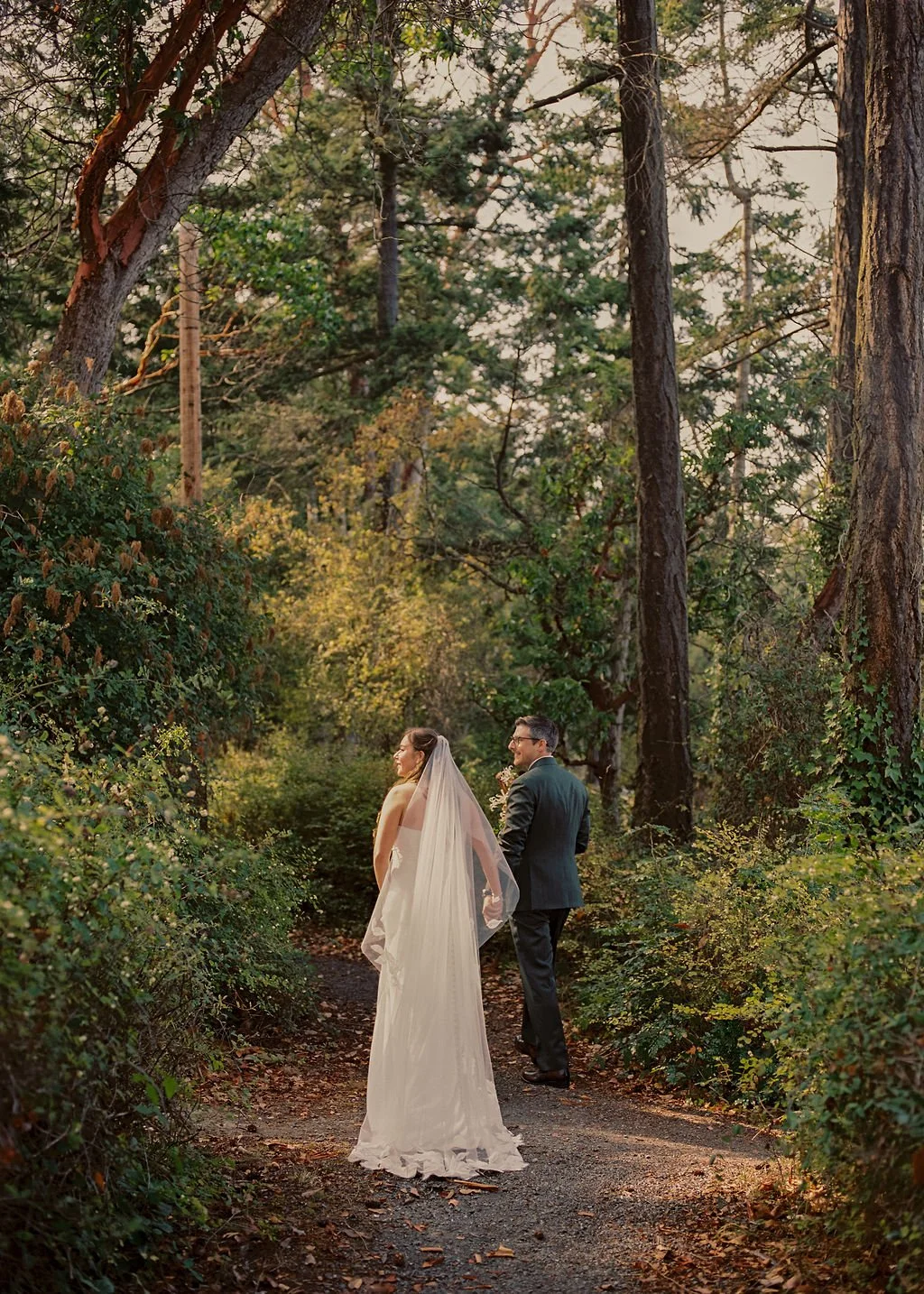
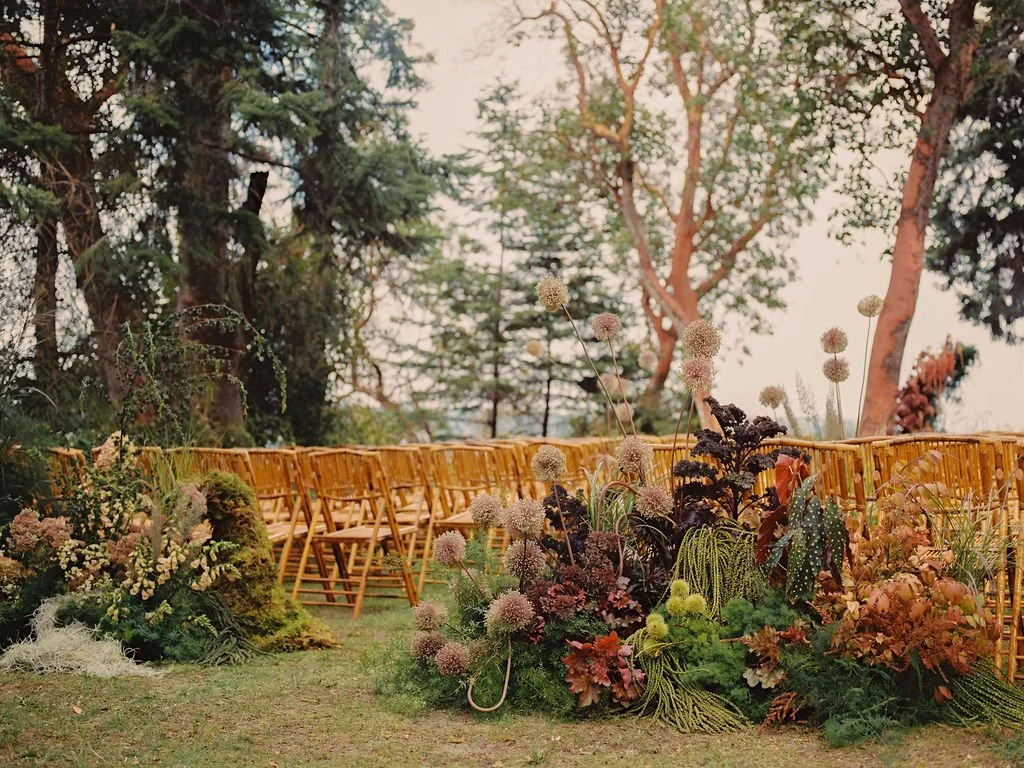
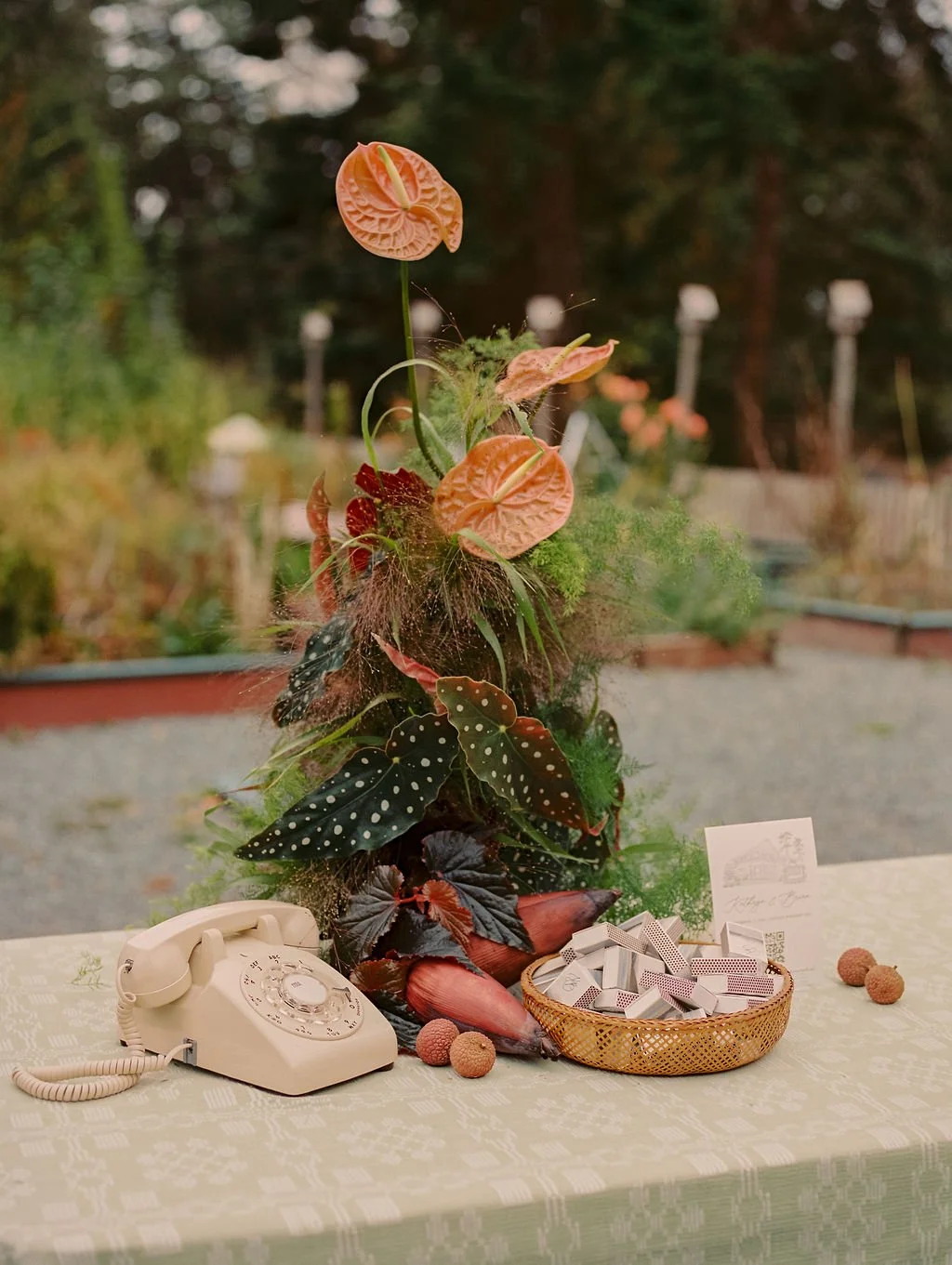
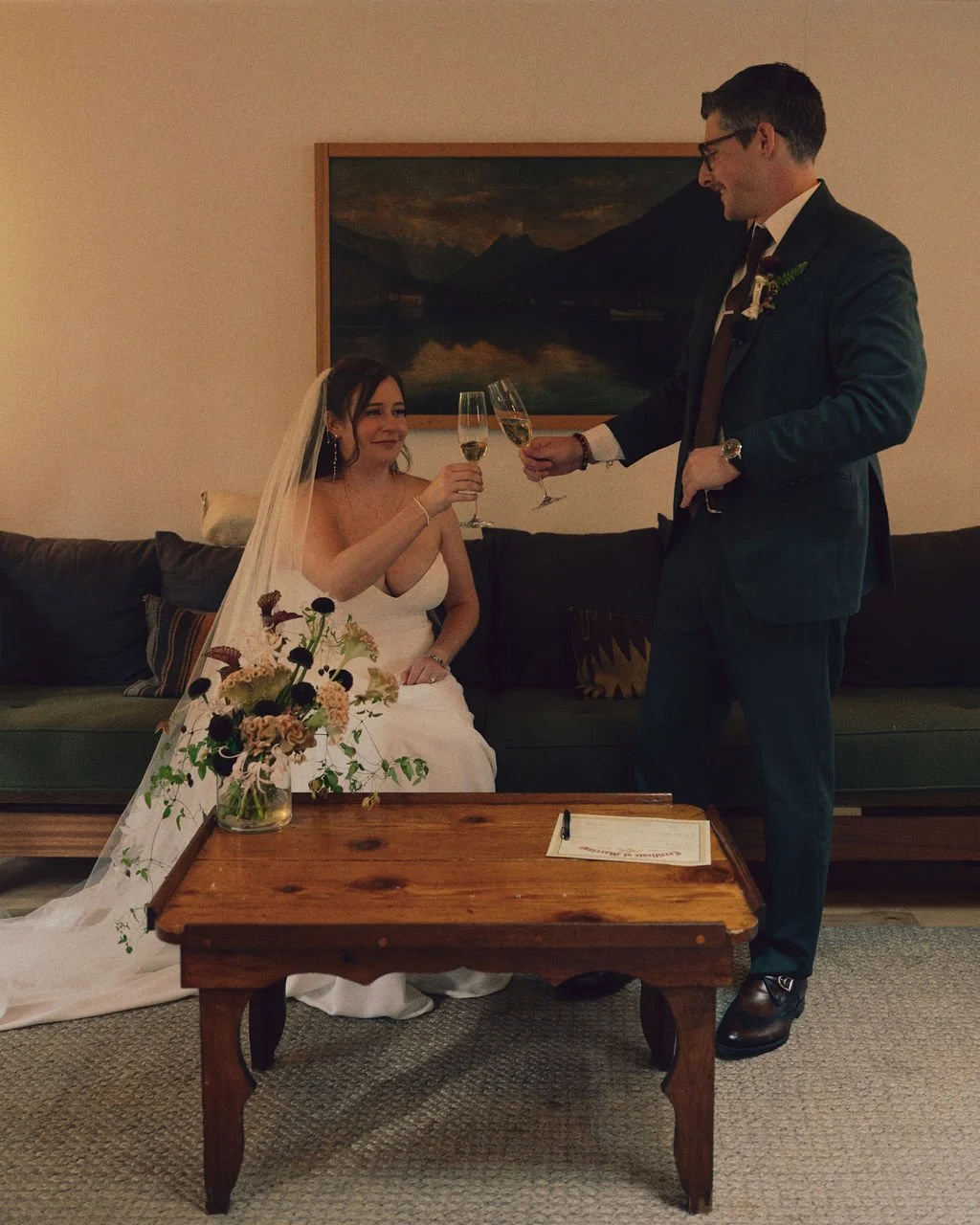
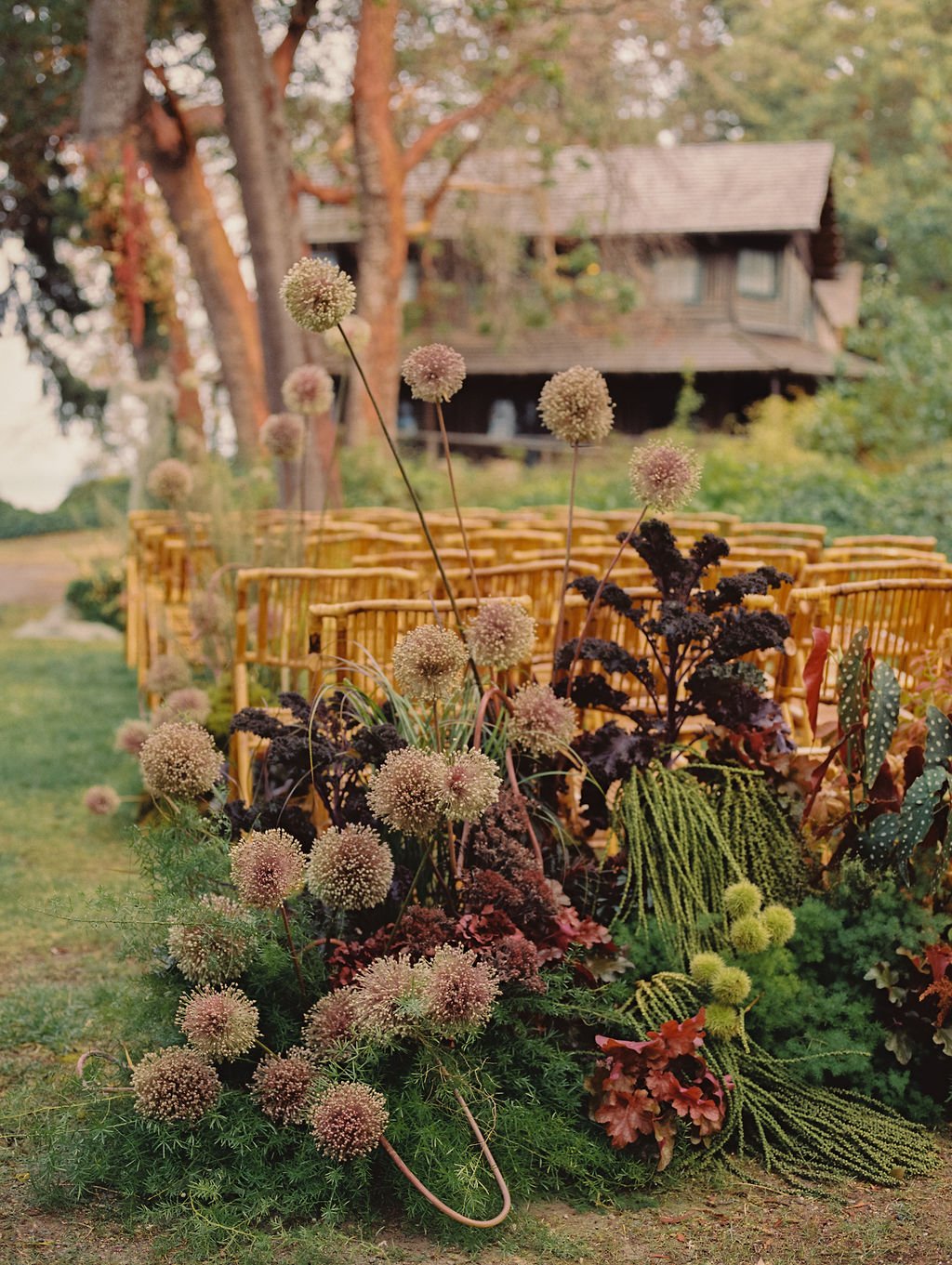
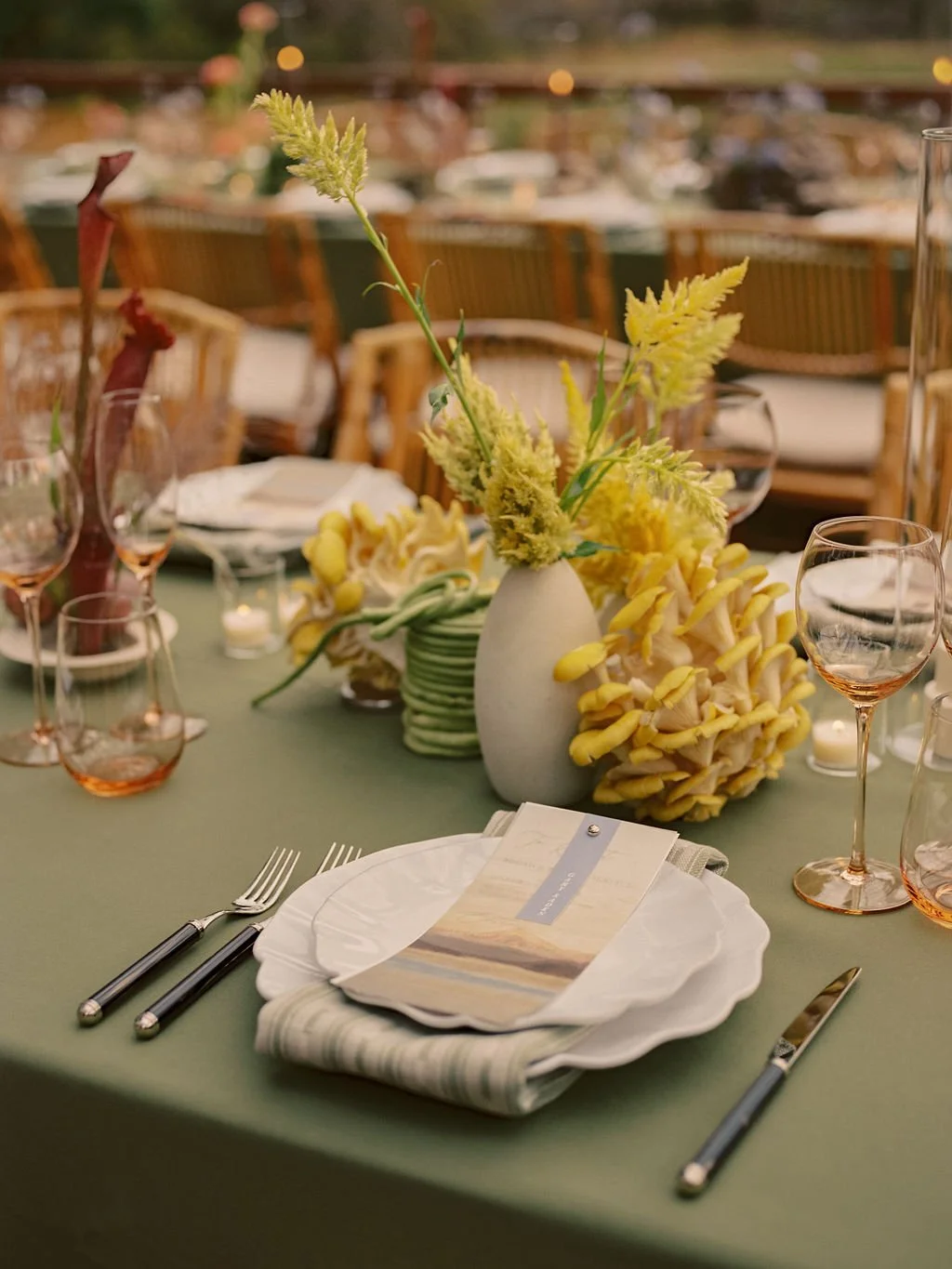
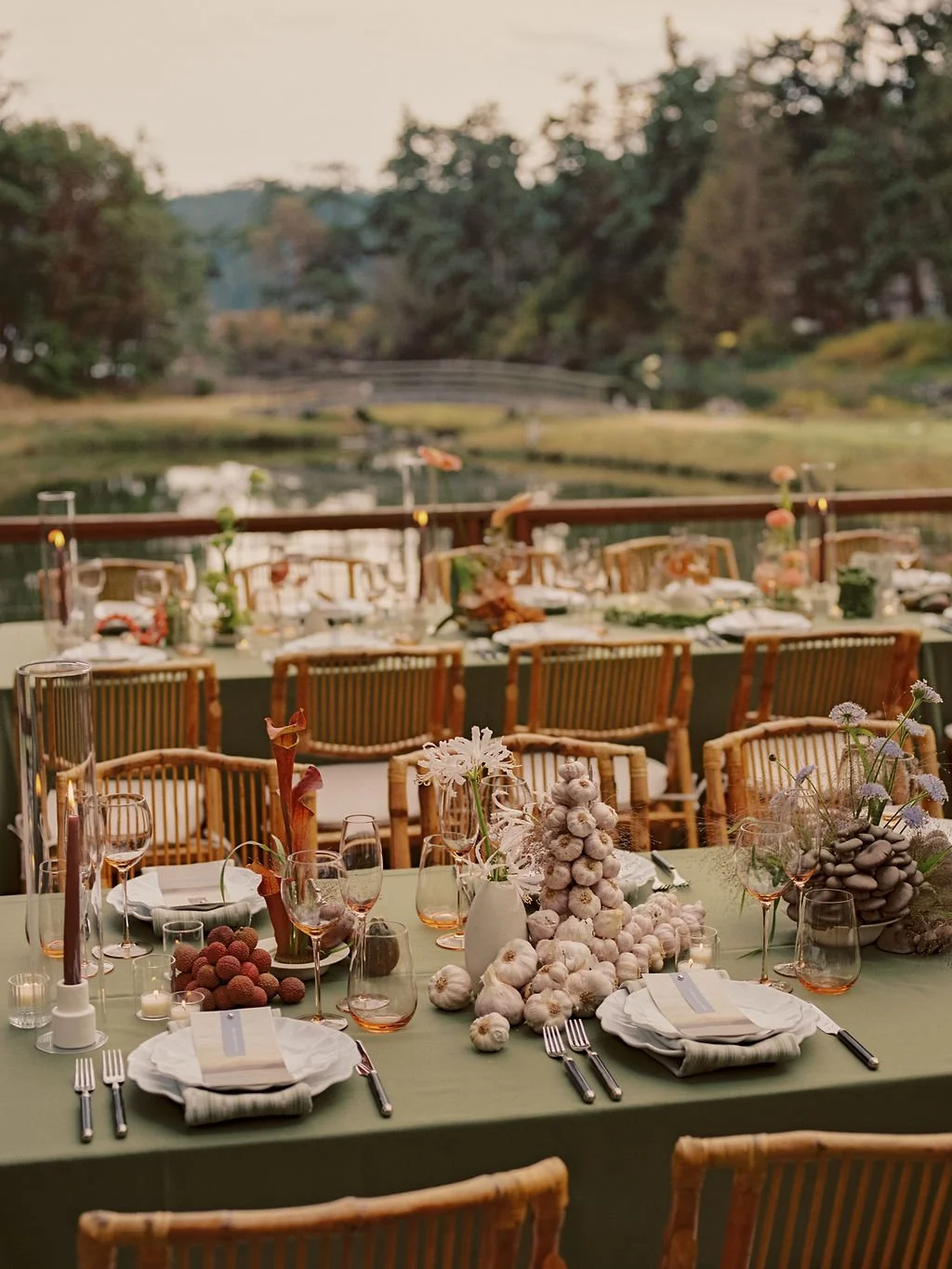
Fast-forward to the present, and weddings have evolved into full-scale productions. Today’s couples face an overwhelming number of choices: unique venues, Instagram-worthy design trends, signature cocktails, guest experiences, sustainable sourcing, cultural blending, and even multi-day destination celebrations. Vendors are more specialized, contracts more detailed, and budgets more complex.
Meanwhile, couples often juggle demanding careers, student debt, and the high costs of living. Few have the time—or the bandwidth—to plan a wedding solo. Hiring a planner is no longer seen as a luxury; it’s a practical solution for managing stress, time, and expectations.
Why Previous Generations Didn’t Feel the Need
When parents or grandparents question why you’d hire a planner, remember: their weddings looked different. They often:
Had fewer options, making decisions simpler.
Paid less overall; costs were smaller relative to income.
Leaned heavily on family and community networks for setup, cooking, or hosting.
Expected tradition, not customization.
It wasn’t that their weddings were “less meaningful”—they were simply less logistically demanding. Helping older generations understand these differences can bridge the gap. It’s not that modern couples are “doing too much”—it’s that weddings themselves have changed.
Wedding Planning as a Profession
Over the last few decades, wedding planning has grown into a recognized career path. Planners are not just organizers; they are event designers, contract negotiators, logistics managers, and emotional guides.
They’ve developed systems, certifications, and professional organizations that set standards for quality service. Today’s wedding planners combine creative vision with project management skills, making them indispensable in pulling together all the moving parts of a wedding.
Types of Wedding Planning Services
When couples explore hiring a planner, they’ll usually see three main service tiers:
Full-Service Planning: The planner is involved from start to finish—budgeting, vendor selection, design, logistics, timelines, and execution. This is ideal for couples who want comprehensive support.
Partial Planning: Couples do much of the planning themselves but hire a planner partway through to refine details, recommend vendors, and ensure logistics run smoothly.
Coordination (a.k.a. “Day-of” Coordination): The couple plans everything, but a coordinator steps in close to the wedding date to manage the timeline, vendors, and setup, so the couple can relax and enjoy the day.
Understanding these packages helps couples choose the level of support that fits their needs and budget.


The Impact of a Wedding Planner Today
Wedding planners bring immense value, including:
Stress Reduction: They handle logistics, problem-solving, and last-minute emergencies.
Vendor Management: They know the best vendors, negotiate contracts, and ensure everyone works well together.
Design Cohesion: They bring your vision to life in a way that feels personal yet polished.
Day-of Leadership: They coordinate timelines, manage vendors, and keep the day on track.
Guest Experience: They ensure the celebration flows seamlessly for everyone attending.
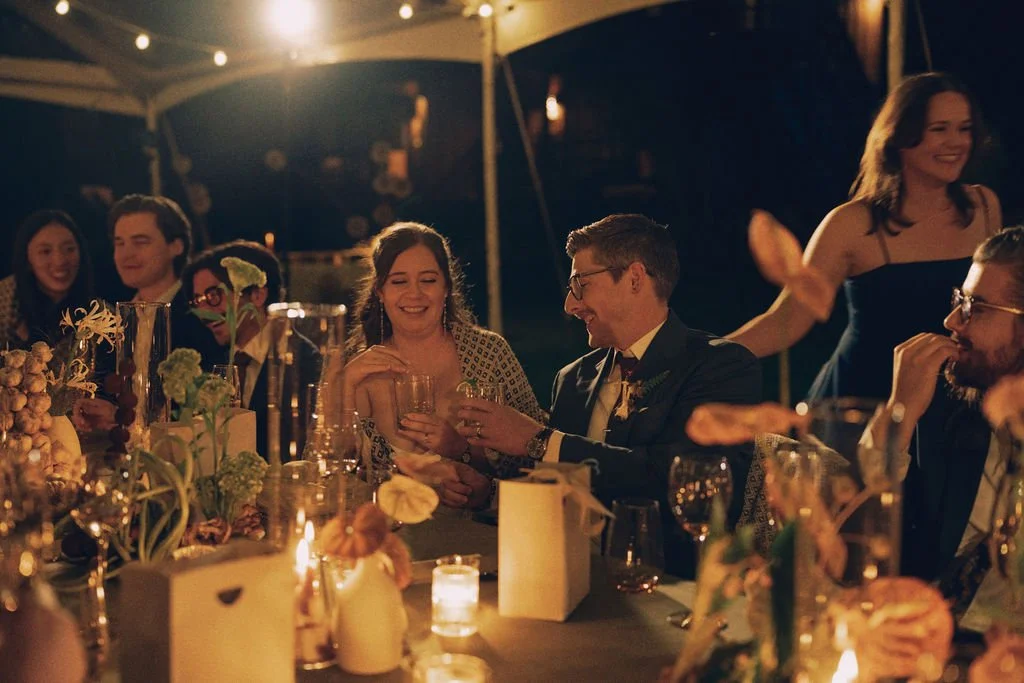
Without a planner, couples often find themselves troubleshooting issues (a late caterer, missing décor, confused vendors) instead of enjoying their day. A planner gives couples the freedom to be present.
What Makes a Good Wedding Planner
Not all planners are alike. Here are the traits that separate great planners from mediocre ones:
Great Planners:
Strong communicators
Calm under pressure
Organized and detail-oriented
Creative yet practical
Transparent about costs and contracts
Advocates for the couple
Poor Planners:
Hard to reach or slow to respond
Disorganized or forgetful
Push their own style instead of listening
Make promises they can’t keep
Leave couples in the dark about budgets or vendors

How to Interview a Wedding Planner: A Starter Script
Here are some questions you can ask potential planners:
Experience: “How many weddings have you planned, and do you specialize in a certain type of wedding?”
Services: “What’s included in your packages, and how customizable are they?”
Style: “How do you approach wedding design and making sure it reflects us as a couple?”
Logistics: “How do you handle unexpected challenges on the wedding day?”
Vendors: “Do you have preferred vendors, and how do you choose them?”
Communication: “How often will we meet, and how do you keep us updated?”
Budgeting: “How do you help couples stay on budget?”
References: “Can we speak with a few past clients about their experience working with you?”
This script ensures you evaluate both professionalism and personal fit.
Final Encouragement
If you’re considering a planner, remember this: You’re not wrong for wanting help. Weddings today are more complex, costly, and time-consuming than they were for past generations. What once felt optional has become practical. A wedding planner doesn’t diminish your involvement—it amplifies your vision and frees you to enjoy your celebration.
So explore your options, ask questions, and find the professional who makes you feel confident and supported. You deserve a wedding experience that celebrates your love without overwhelming you. A good wedding planner can make that possible.
Looking for a low commitment, low cost way to engage with a wedding planner? Check out our Wedding Planning Power Hour sessions!
