
How to Structure Your Wedding Processional: Traditional, Modern, and Everything In Between
The wedding processional is one of the most anticipated moments of any ceremony. It sets the tone, creates emotional resonance, and ushers the wedding party into the spotlight with dignity and celebration. Couples today have more options than ever when it comes to structuring their processional—ranging from deeply traditional to sleek and modern. Below, we’ll explore different approaches, explain why they work, and offer practical tips for couples, their wedding parties, and families.
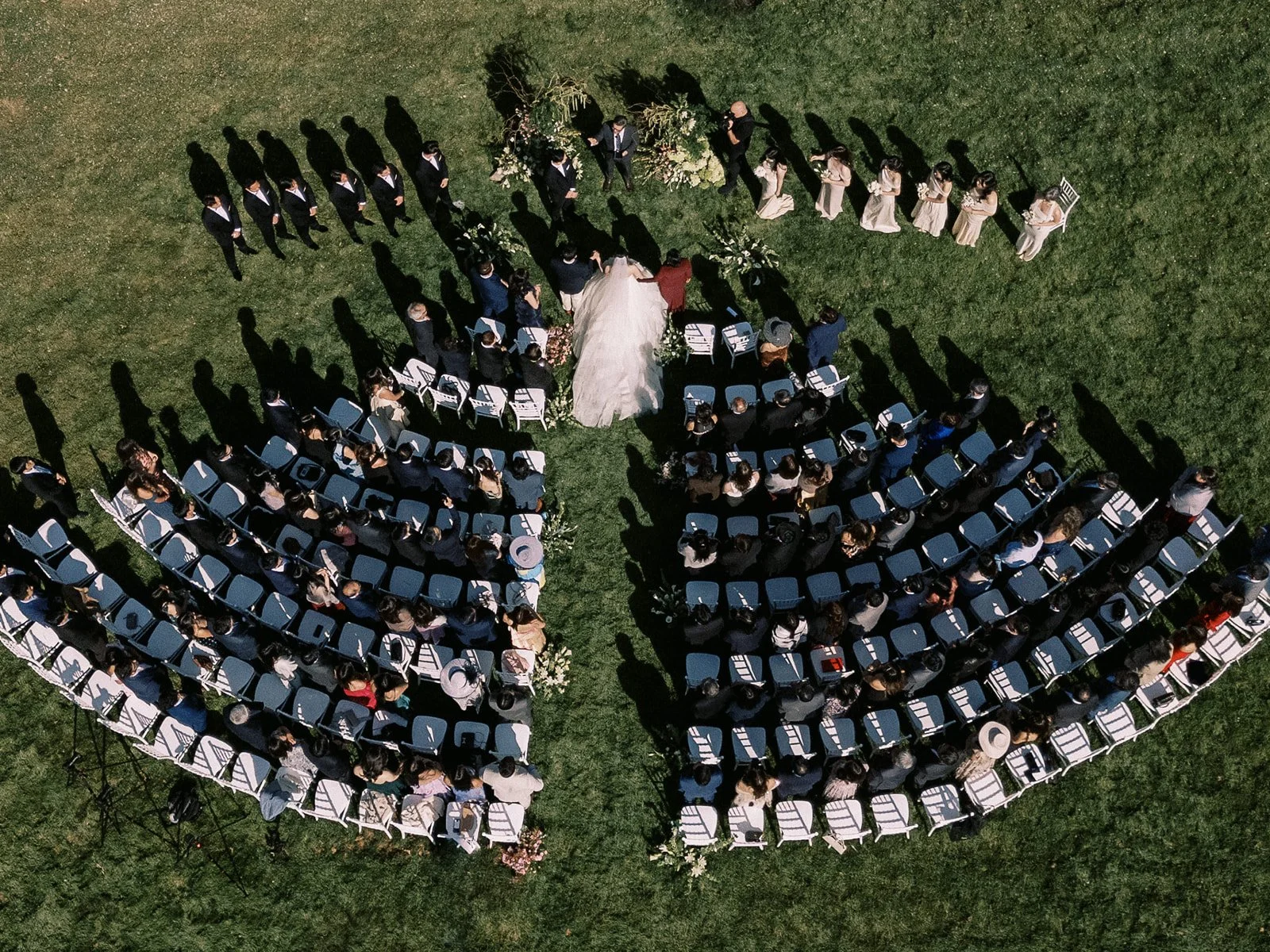
Why the Processional Matters
The processional is the ceremonial "entrance," signaling the start of the wedding. It is both symbolic and logistical:
Symbolic: It represents families and communities coming together to witness the marriage.
Practical: It ensures that everyone has a clear role and flow into the ceremony space.
Emotional: The walk down the aisle is often one of the most memorable and photographed parts of the day.
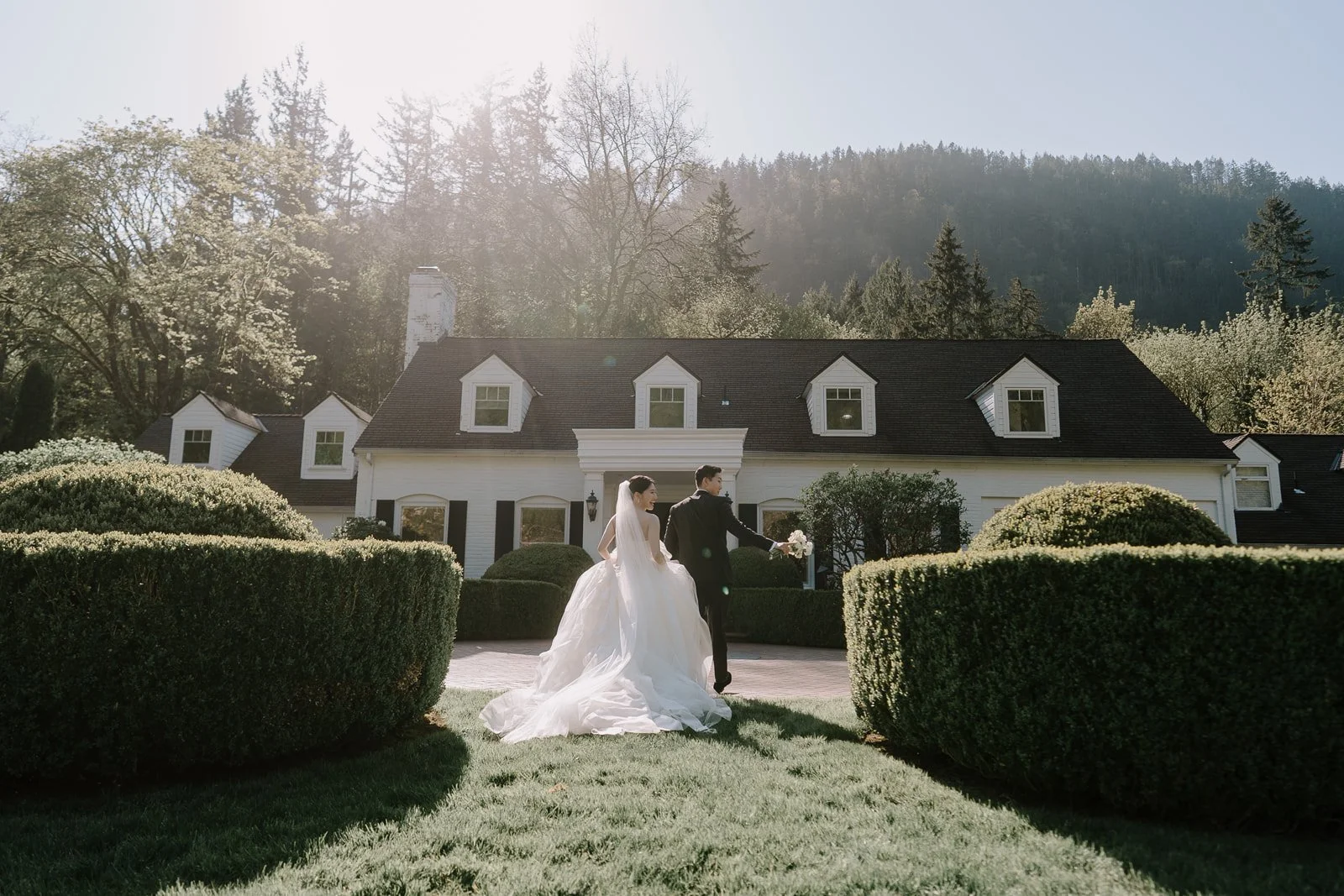
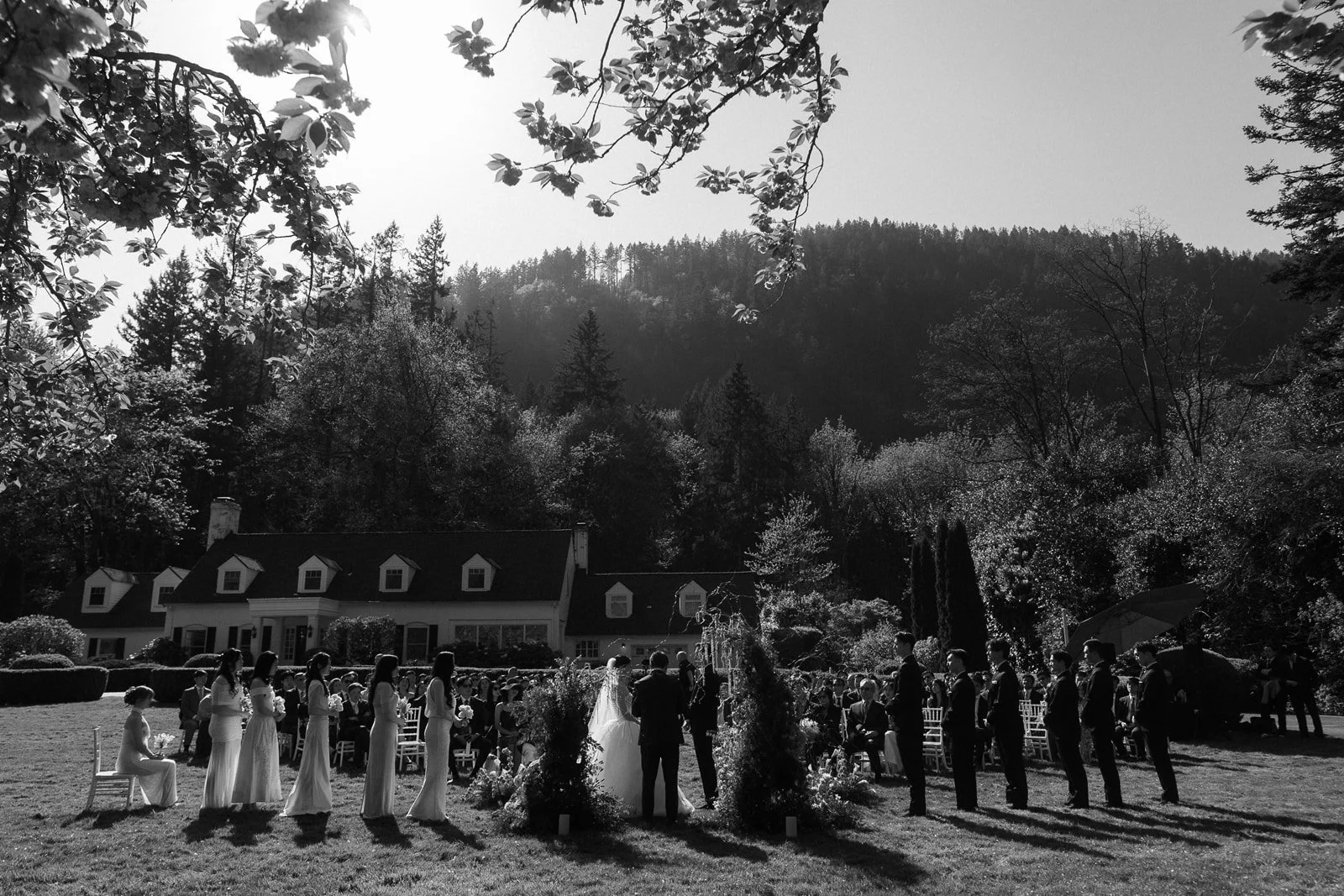
Traditional Formal Processional
In many Western traditions, the order of the processional is highly structured:
Officiant enters first.
Grandparents, Parents, or other significant family members enter next.
Groom or First Partner enters, often escorted by parents.
Wedding party follows—paired or individually.
Maid/Matron/Person of Honor last in the wedding party lineup—individually or paired with Man/Person of Honor from the other side.
Ring bearer and/or flower child walk together or separately.
Bride or Second Partner enters last, traditionally escorted by a parent (often the father).
Why it’s traditional: This arrangement historically symbolized the bride being “given away,” though today couples often frame it as a loving escort rather than a hand-off.
Musical cues:
Prelude music for guest seating.
A distinct musical shift for the wedding party.
A final, dramatic cue (often the iconic “Bridal Chorus” or another chosen piece) for the bride/partner’s entrance.
Why choose this: Couples who want a sense of grandeur, family tradition, and formality often lean on this structure. It also provides clarity for participants since it follows a well-known formula.
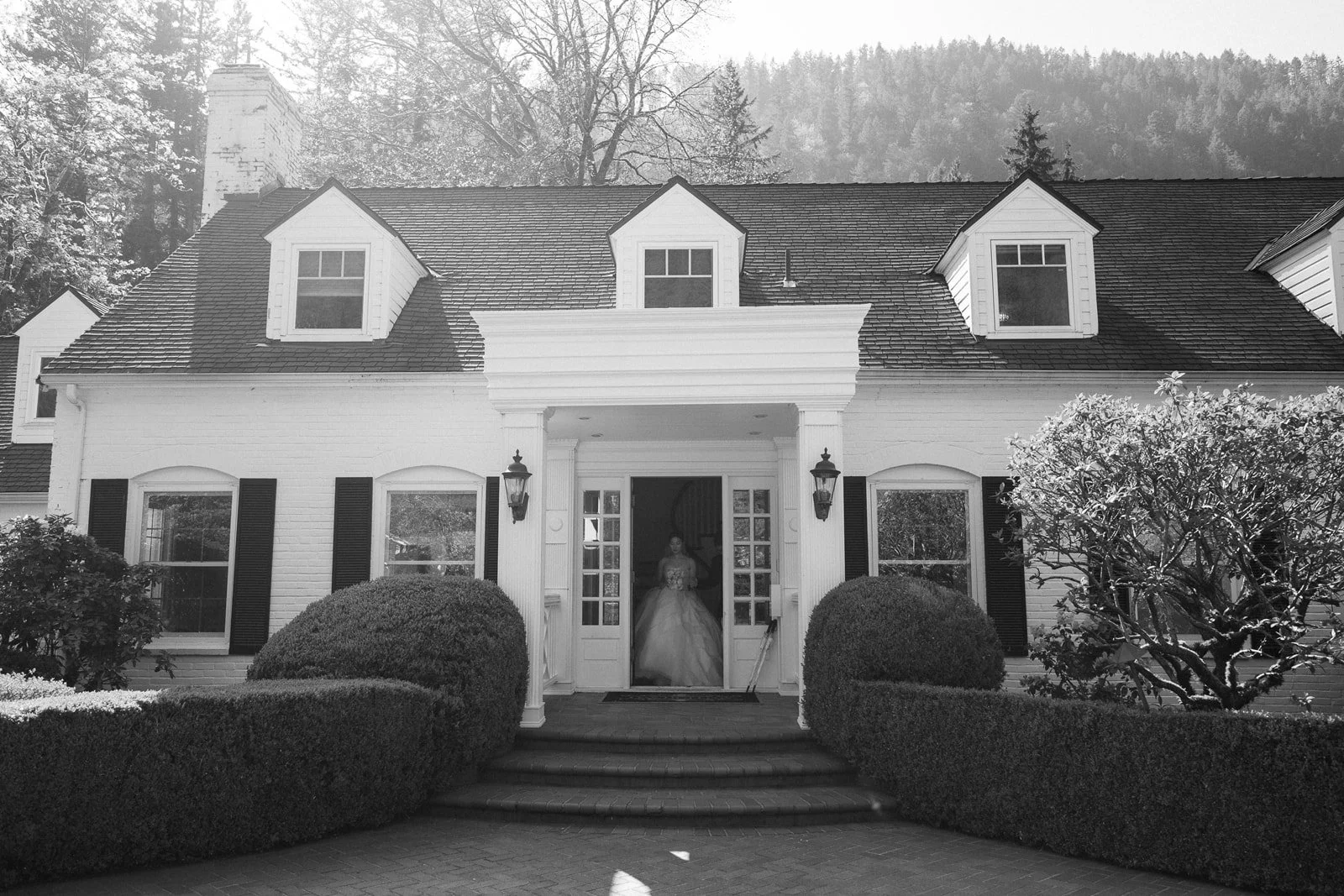
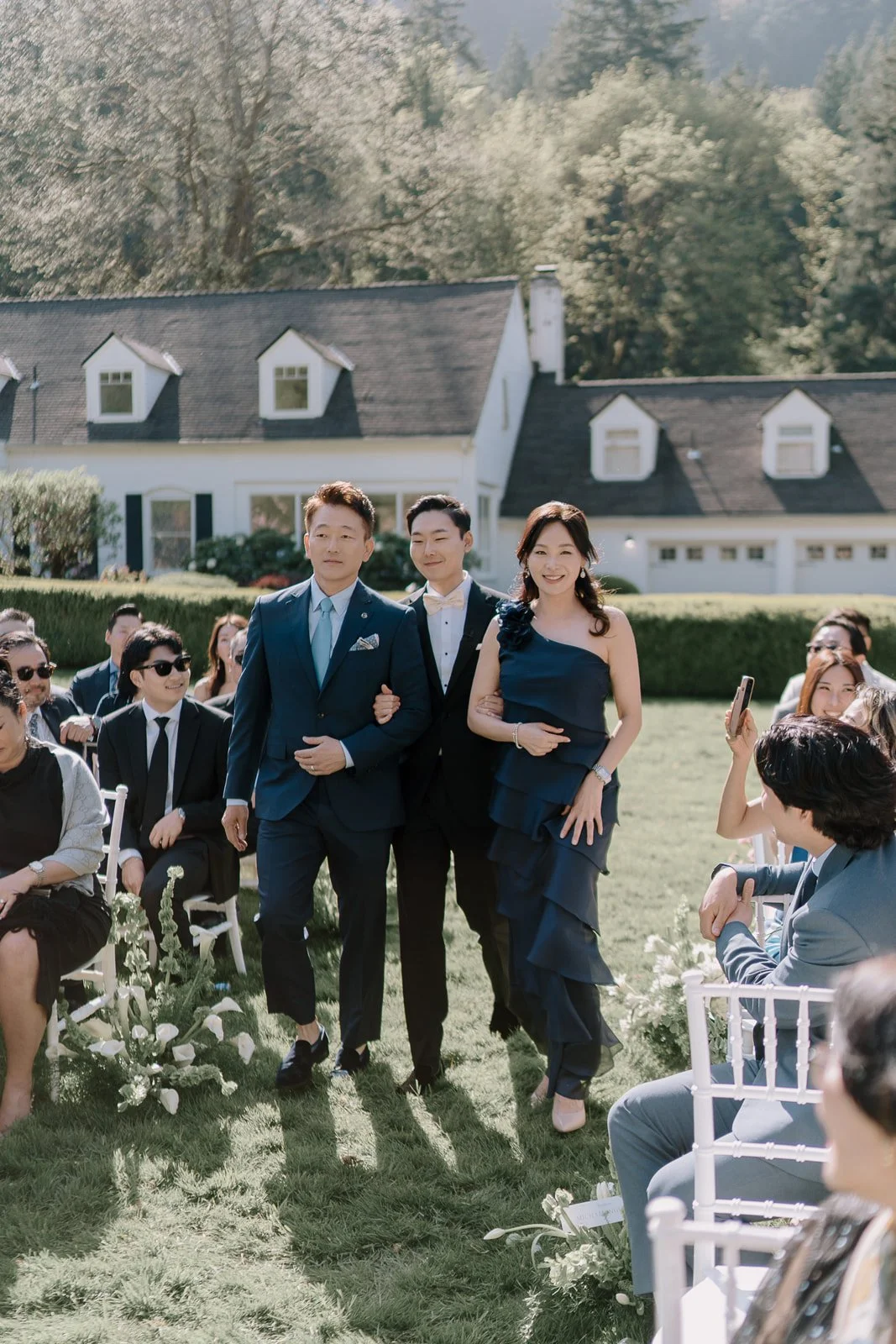
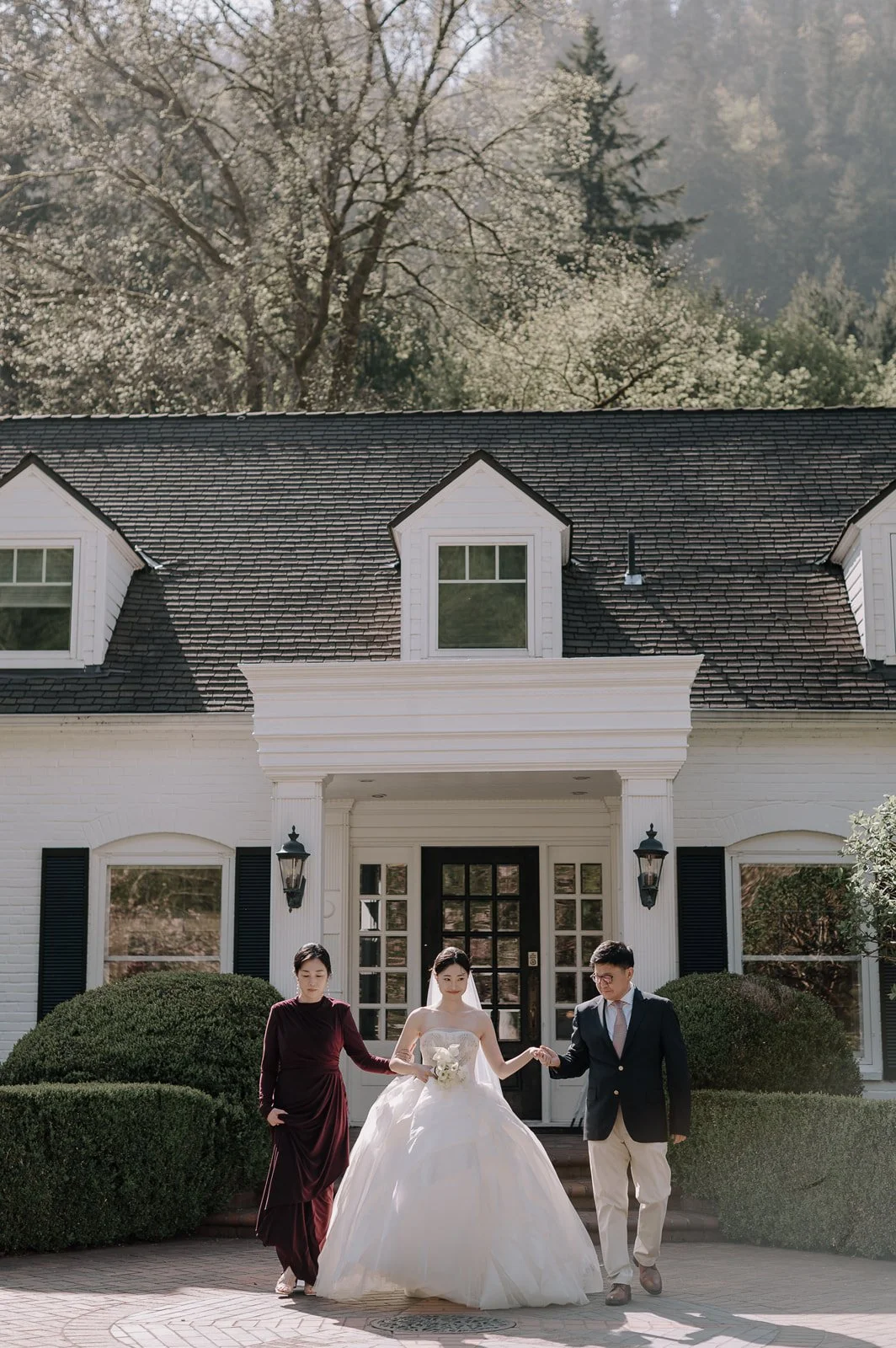
Semi-Formal or Blended Processional
Many modern couples adapt tradition to suit their values. Common adaptations include:
Both partners walking in with their parents.
Siblings or close friends serving as escorts.
The couple entering together to symbolize unity.
Ring bearers, flower children, or pets included for charm and personality.
Musical cues:
Music changes may happen more often—e.g., a unique song for each partner or for family entrances.
Music changes may also be more simplified—often choosing one or two songs for the entire processional with a more blended approach.
Couples may choose instrumental, acoustic, or contemporary songs that reflect their personalities.
Why choose this: Blended approaches honor tradition while allowing flexibility. It can be especially meaningful for couples with blended families, nontraditional roles, or a desire for inclusivity.
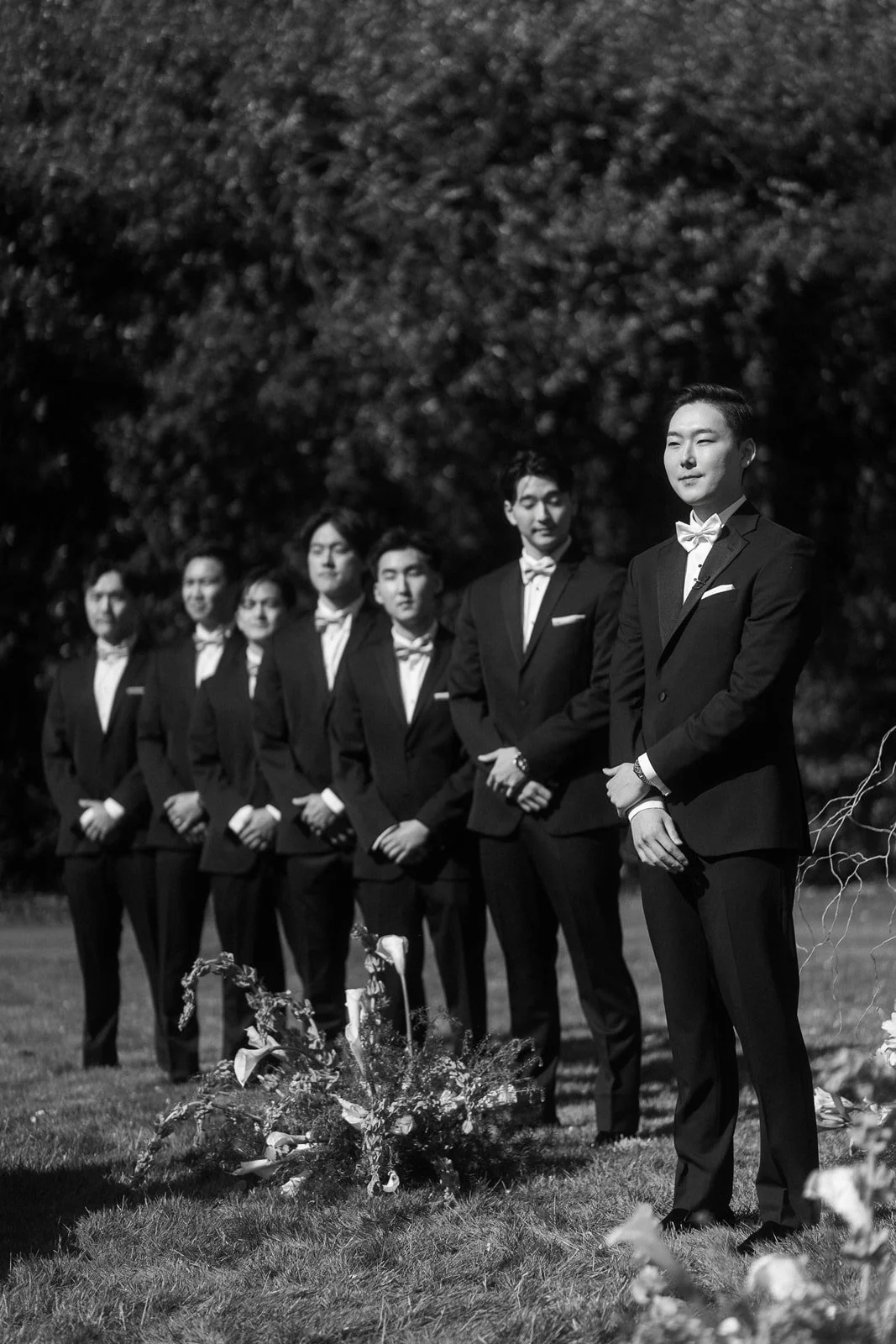
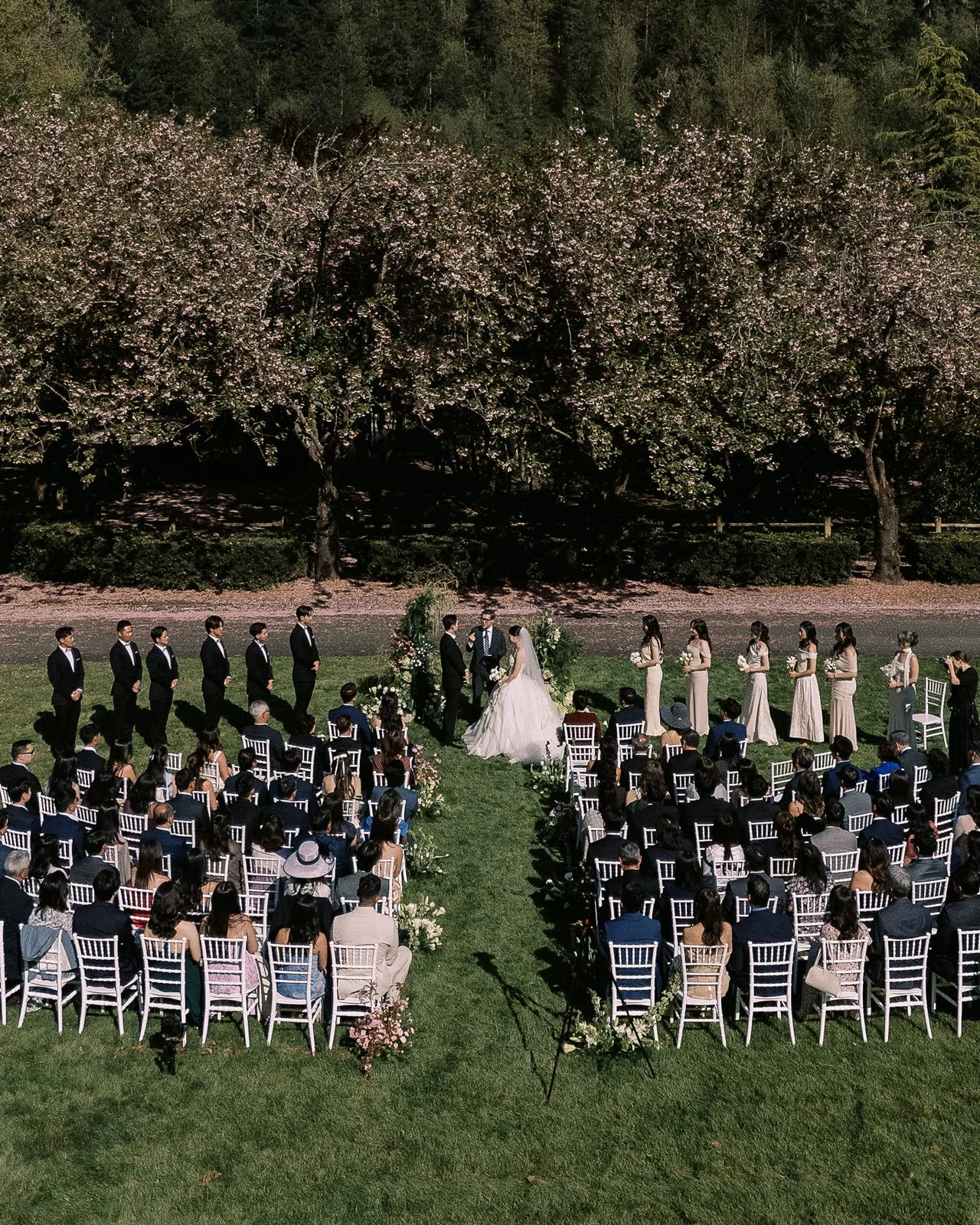
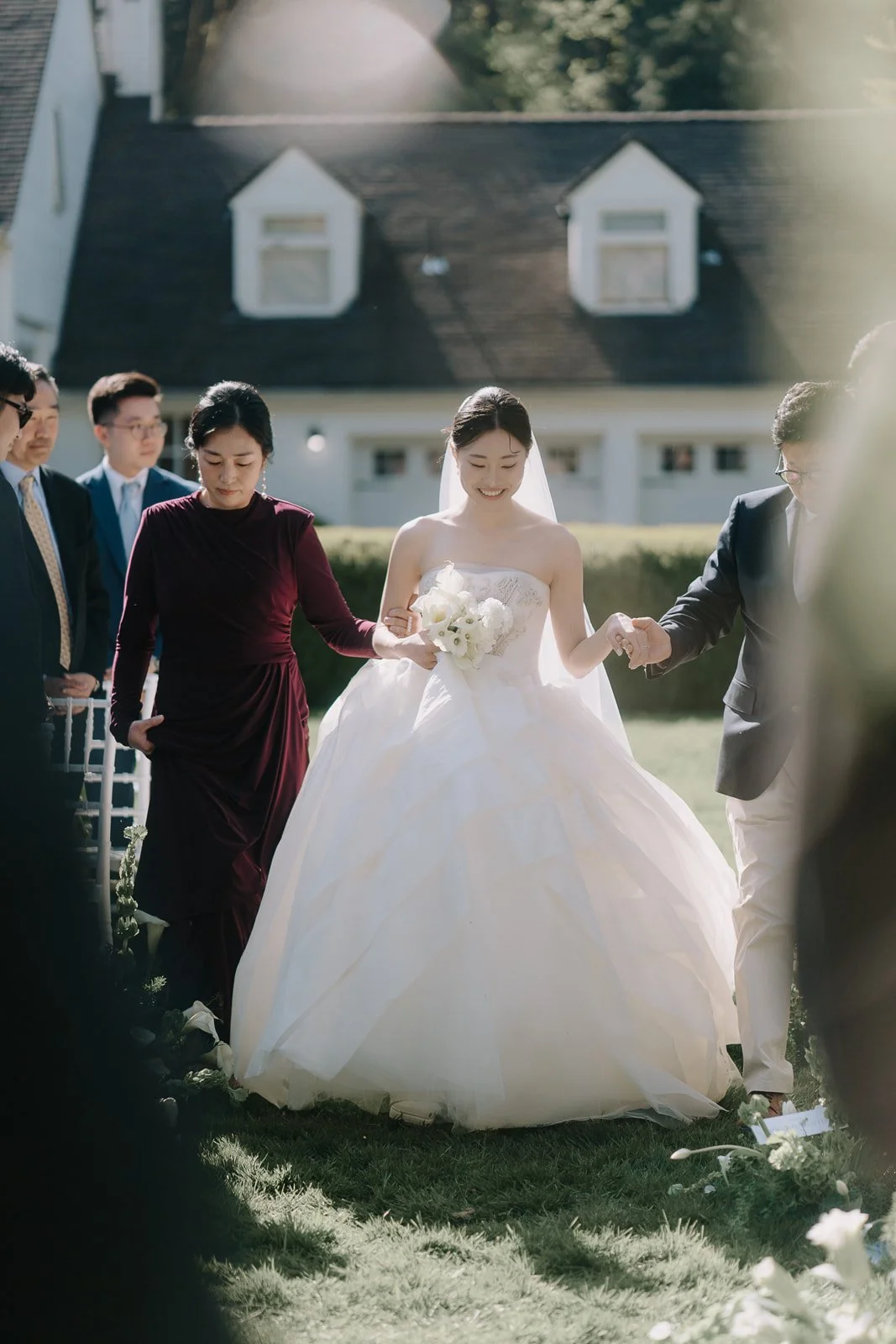
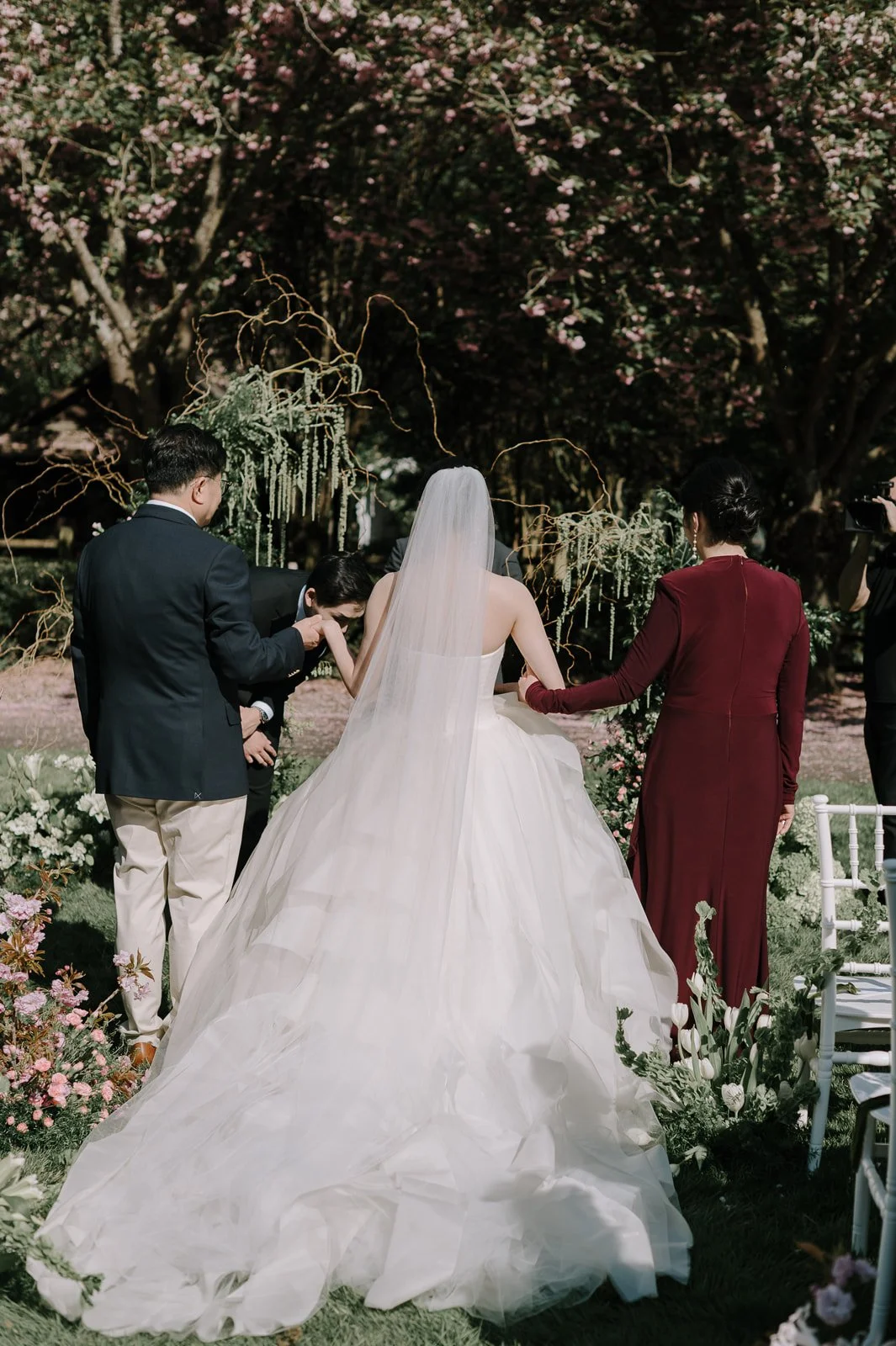
Modern Minimalist Processional
Some couples prefer to strip down the formality and keep the focus on simplicity and intimacy.
The couple may walk in together, hand in hand.
Family may already be seated rather than processing.
No wedding party—or just a best person or single witness.
The officiant may already be in place or walk in with the couple.
Musical cues:
A single piece of music may cover the entire processional.
Choices often lean toward contemporary love songs, acoustic instrumentals, or even ambient music.
Why choose this: Couples seeking a streamlined, personal ceremony often love this approach. It emphasizes equality, removes logistical stress, and keeps the focus on the couple’s commitment.
Music Recommendations
Classical: Pachelbel’s Canon in D, Handel’s Air, or Bach’s Jesu, Joy of Man’s Desiring suit traditional ceremonies.
Contemporary: Instrumental versions of meaningful songs, such as a favorite ballad, film score, or acoustic pop cover, offer a modern touch.
Custom: Ask a musician friend to play live, or commission a unique arrangement for a personal moment.
Tip: Each musical cue should last long enough to cover walking time. Plan for 30–60 seconds per group, and ensure a smooth fade or loop if needed.
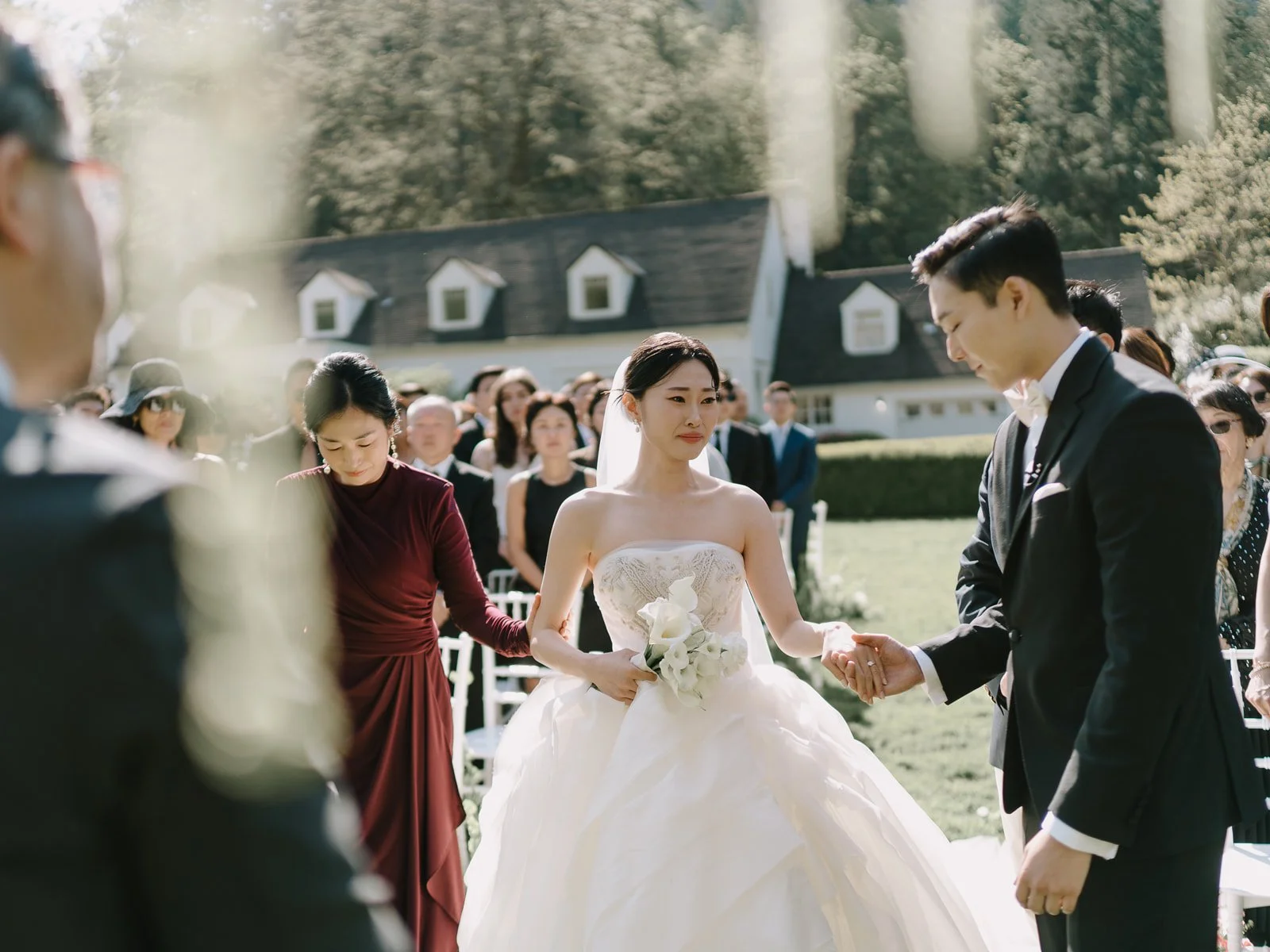
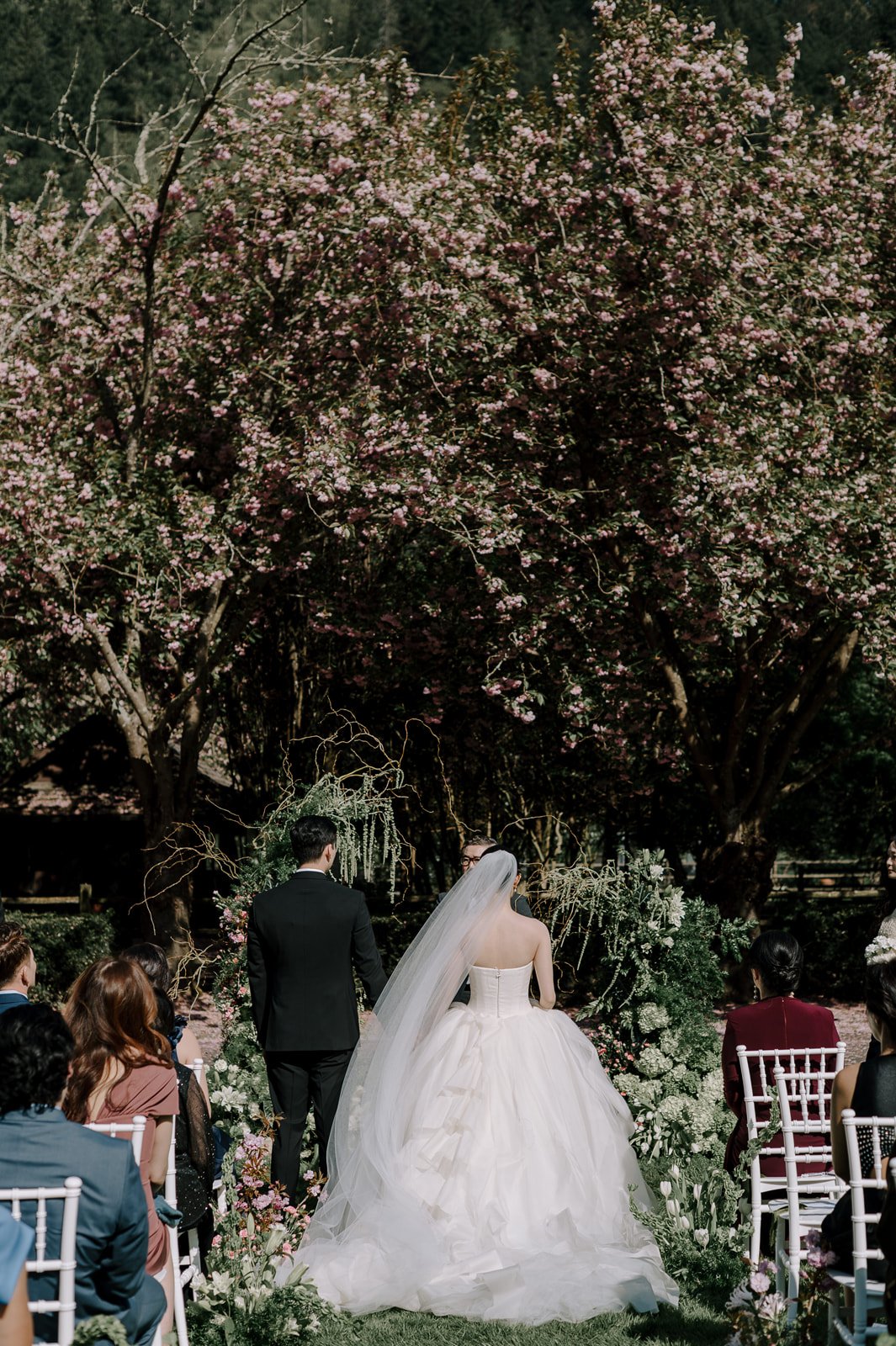
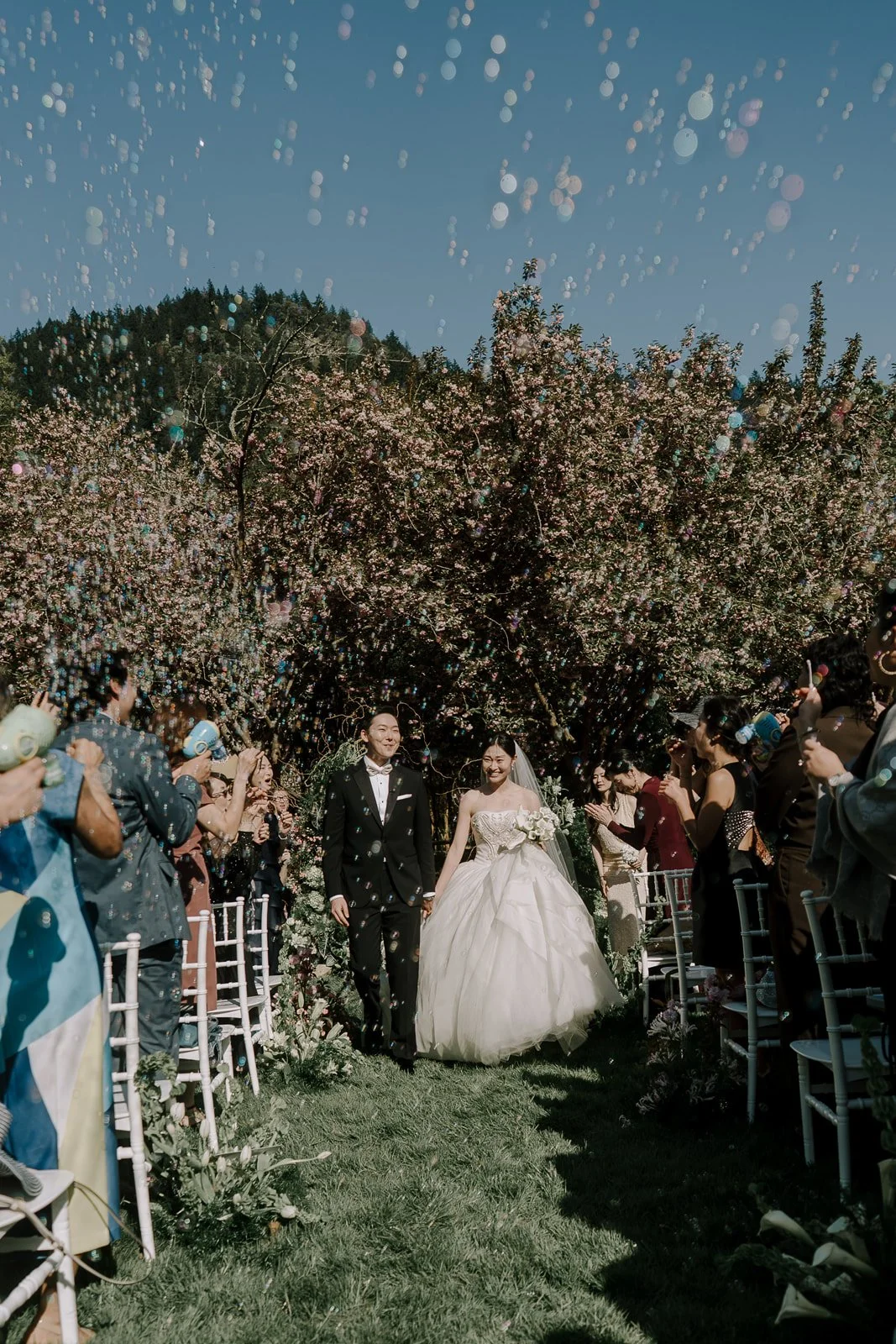
Tips for Couples, Wedding Parties, and Families
Couples: Decide early how formal or informal you want your entrance to feel. Communicate this clearly to your planner and musicians. Be sure to communicate any timing cues for your music (when a song starts, when a group enters, and/or when a song loops or transitions) so that those preferences are made clear.
Wedding Party: Practice pacing—walk slightly slower than feels natural, pause at designated points, life your gaze, and keep spacing consistent. If you have a cue, such as receiving the bouquet, handing off rings, or fluffing a train, pay attention to the timing cues for those responsibilities during the rehearsal.
Family: If escorting, coordinate arm placement and pacing during rehearsal. If seated before the processional, learn exactly where and when.
Everyone: Remember posture, smiles, and presence. These are the photographs you’ll keep forever.
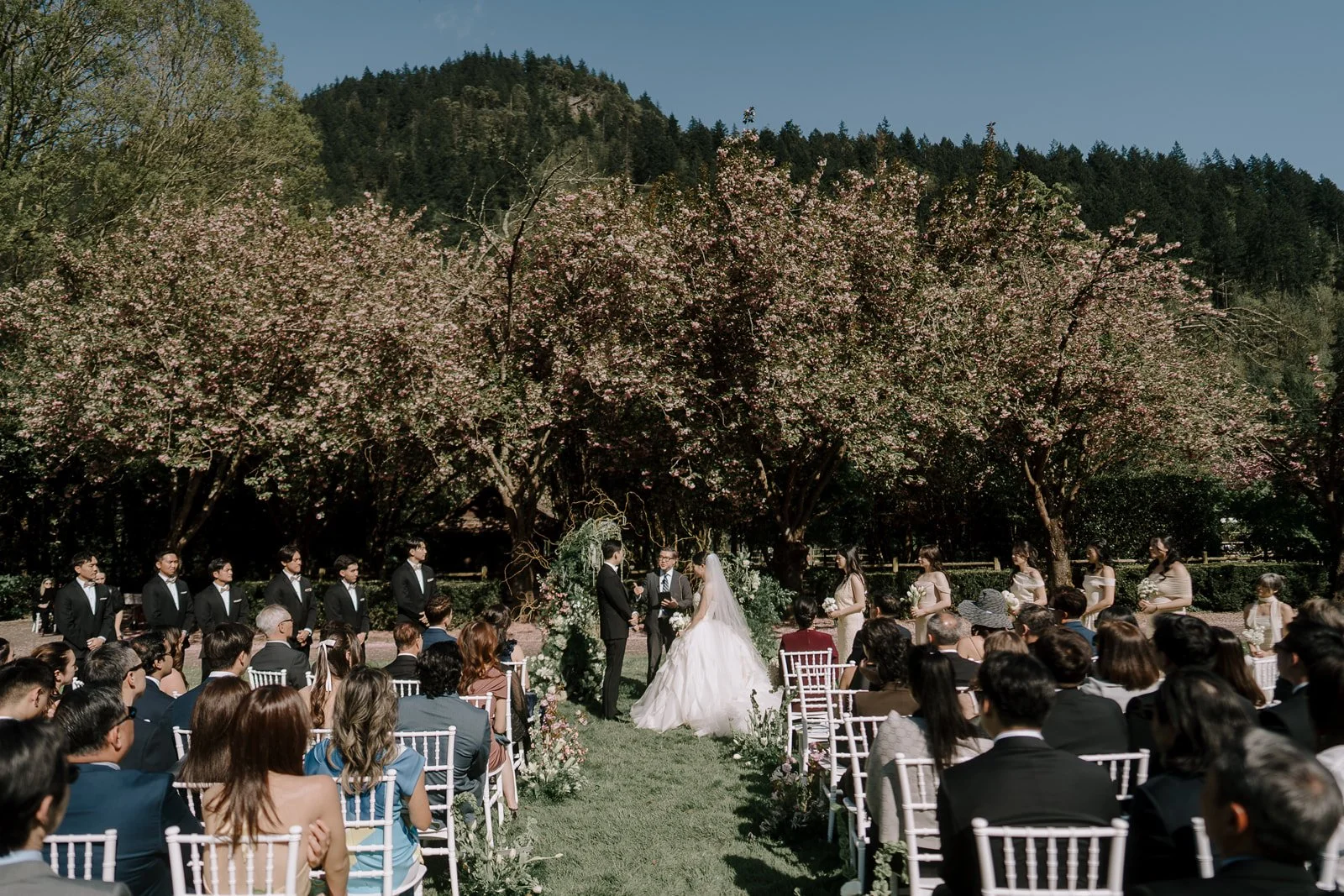
The One-Hour Rehearsal: What to Expect
A rehearsal ensures smooth execution and eases nerves. A typical one-hour run looks like this:
Welcome (5 minutes): The planner introduces the structure and explains the goals.
Placement + Ceremony overview (10-15 minutes): The planner will place everyone where they are standing or seated for the ceremony. The officiant will give a broad overview of the ceremony, focusing on any moments where a cue to move, speak, or exchange items occurs. The planner will help guide the mechanics of the ceremony during this portion.
Line-up (10 minutes): The wedding party, family, and officiant are positioned in order.
Processional walk-through (10 minutes): Everyone practices walking the aisle with pacing cues, musical timing, and placement at the altar.
Rehearse recessional (5-10 minutes): Participants practice exiting after the ceremony.
Second full run (10 minutes): Re-do the entire processional and recessional to confirm flow.
Final notes (5 minutes): Planner answers questions and provides instructions for the wedding day.
How the planner leads: A wedding planner functions as director, ensuring clarity, resolving questions, and keeping the group on schedule. They coordinate with musicians, officiants, and the venue to align timing.
How friends and family can help:
Arrive on time.
Listen attentively to instructions.
Refrain from side conversations or improvising.
Offer calm encouragement to the couple rather than critique.
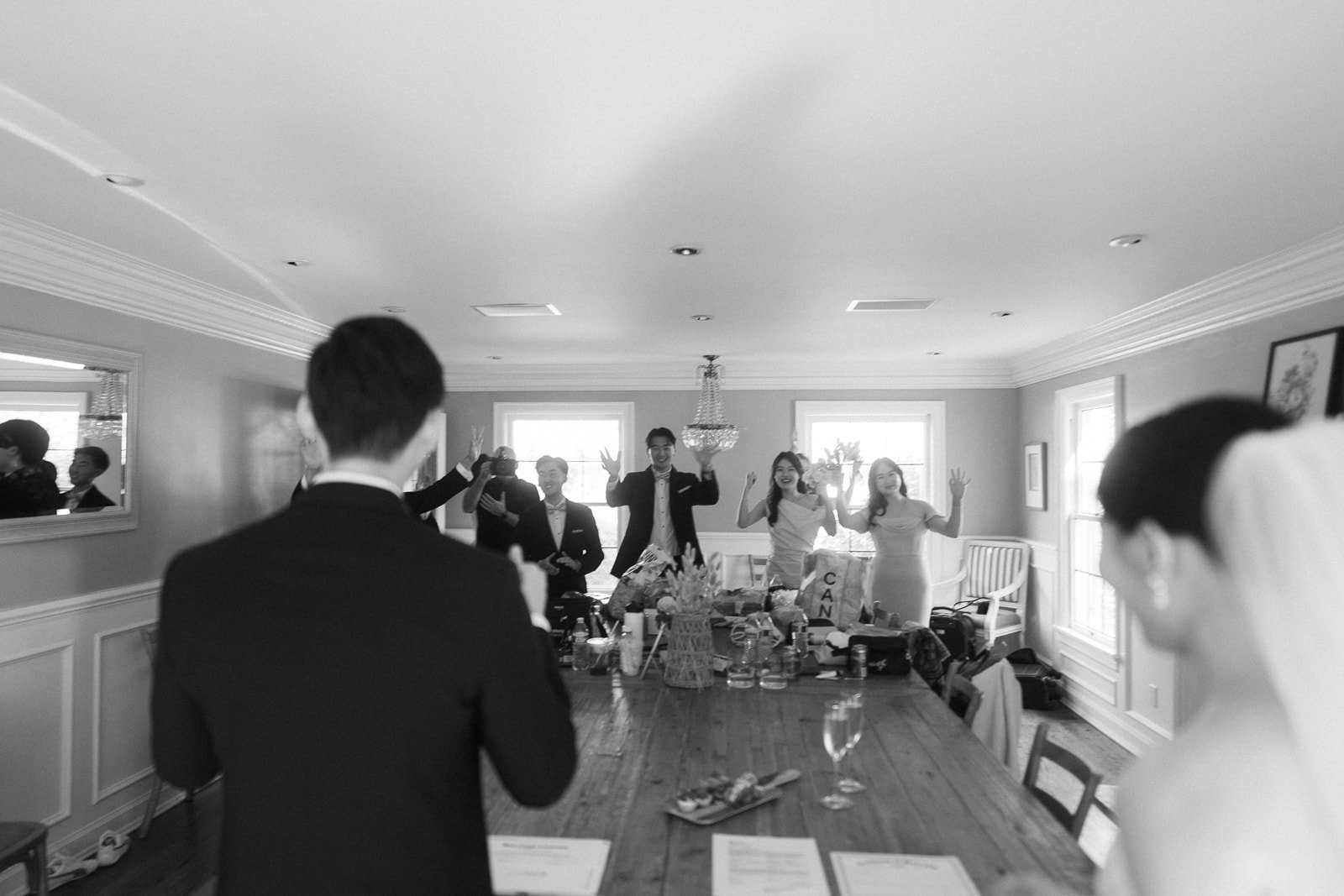
Whether you choose a stately traditional processional, a heartfelt modern twist, or a minimalist walk together, the key is to align your choices with your values, your story, and the tone you want to set. A well-rehearsed and thoughtfully planned entrance allows you and your loved ones to savor the moment with confidence, joy, and love.
